An Indian-origin venture capitalist based in the United States has sparked a conversation online with her pointed remarks regarding a recent American military operation in Venezuela and its implications for India's strategic partnerships.
Venezuela Defence "Crumbles," A Message for India
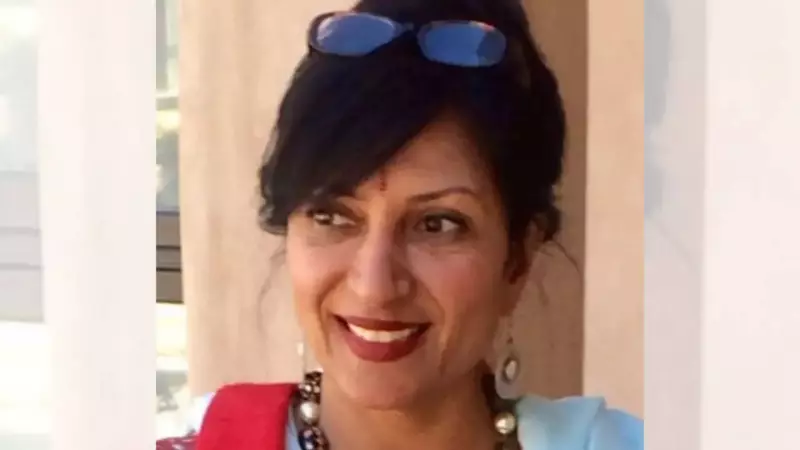
Asha Jadeja Motwani, a noted investor, took to the social media platform X to share her views. She commented on the reported collapse of Venezuelan defences, which were equipped with Russian military hardware, during a significant operation conducted by the United States military.
In her post, Motwani stated that the "Russian military equipment of Venezuela crumbled in seconds in front of American military." She directly addressed Indian policymakers, adding, "Hope India is watching." The implied message underscores the perceived technological and tactical superiority of American defence capabilities over Russian systems.

Exaggerated Demographic Claim Draws Attention
Further elaborating on the ties between nations, Motwani presented a stark, albeit highly exaggerated, contrast in her post. She claimed that the number of Indian Americans stands at 5,000,000, while the number of Indian Russians is merely 5.
This numerical comparison, intended to highlight the depth of people-to-people links with the US versus Russia, is factually incorrect regarding the Indian diaspora in Russia, which numbers in the thousands. The figures served as a rhetorical device to emphasize her argument about the natural alignment between India and the United States.
A Claim of Influence on Trump's H1-B Policy
This is not the first time Asha Jadeja Motwani has made headlines concerning Indo-US relations. The venture capitalist has previously asserted that she played a role in influencing former US President Donald Trump's stance on the H1-B visa program.
The H1-B visa is a critical issue for the Indian tech community and industry, allowing skilled professionals to work in the United States. Motwani's claimed involvement points to the active role some members of the influential Indian diaspora seek in shaping policy debates that impact bilateral ties.
Motwani's comments arrive amidst a complex global landscape where India maintains significant defence ties with Russia while simultaneously deepening its strategic and technological partnership with the United States. Her intervention reflects ongoing discussions within diaspora and policy circles about the future trajectory of these relationships and the hard choices they may entail.