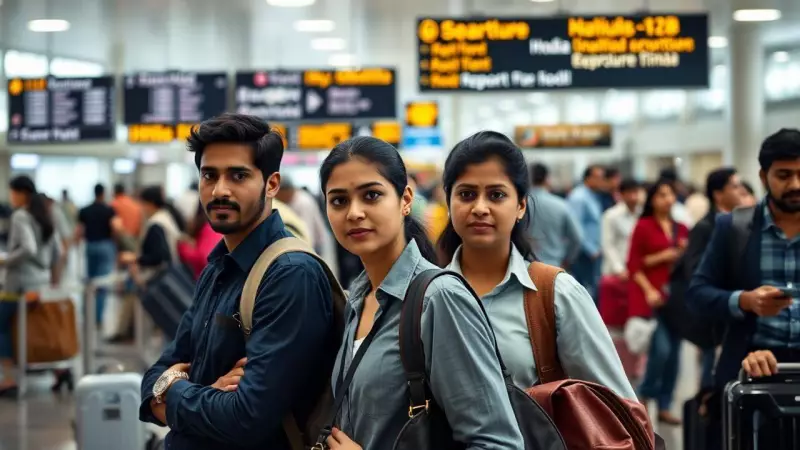
Hundreds of highly-skilled Indian professionals working in the United States on H-1B visas find themselves in a precarious situation, stranded in India after American consulates unexpectedly cancelled their visa renewal appointments. The cancellations, which occurred between December 15 and 26, have left workers with expired visas and uncertain timelines for returning to their jobs and lives in the US.
Sudden Cancellations and Extended Delays
According to immigration lawyers, the mass cancellation of scheduled interviews has upended the plans of possibly thousands of workers. The US State Department, in emails reviewed by media, attributed the delays to the implementation of an expanded social media vetting policy. The policy aims "to ensure that no applicants … pose a threat to US national security or public safety." Consequently, all interviews scheduled from December 15 onwards were cancelled and rescheduled, pushing many appointments out by several months.
One Indian engineer living in the Detroit suburbs shared his experience of having appointments on December 17 and 23 cancelled on December 8. He was rescheduled for July 2—more than six months later. While he managed to secure an expedited appointment after his company intervened, his lawyers noted such exceptions are rare. The widespread rescheduling is expected to cause significant delays in visa approvals and the workers' return to the United States.

A Growing Crisis for Workers and Employers
The sudden policy shift has created a logistical and personal crisis. Immigration attorney Emily Neumann from Houston reported having at least 100 clients stranded in India. Lawyers Veena Vijay Ananth in India and Charles Kuck in Atlanta each have more than a dozen similar cases. "This is the biggest mess we have seen," Ananth stated, expressing uncertainty about any immediate resolution.
The human impact is severe. On anonymous online forums like Blind, affected individuals are sharing their distress. One user wrote, "I'm literally stuck in India now… I'm on unpaid leave, been living off savings for weeks." A physician on a Facebook group lamented their appointment being pushed to March, worrying about dozens of scheduled patients back in the US.
Political Context and Industry Impact
The H-1B program, which allows US companies to employ foreign workers in specialized occupations, has been a point of contention. While Silicon Valley tech executives defend these workers as vital, some political voices have called for the program's restriction. Immigration lawyer Charles Kuck suggested the delays, while operationally justified by social media checks, are driven by partisan politics and a rise in attacks on the H-1B program, particularly targeting Indian nationals.
US tech companies are now scrambling to accommodate the unexpected absence of key employees. A source familiar with the issue revealed that executives are unsure how to manage the situation, questioning how long companies can wait for their stranded staff. The State Department, meanwhile, has shifted its priority from processing speed to thorough vetting, a stance confirmed by a spokesperson.
For now, hundreds of Indian professionals and their families remain in limbo, facing financial strain and career uncertainty as they wait for clarity from US consulates.