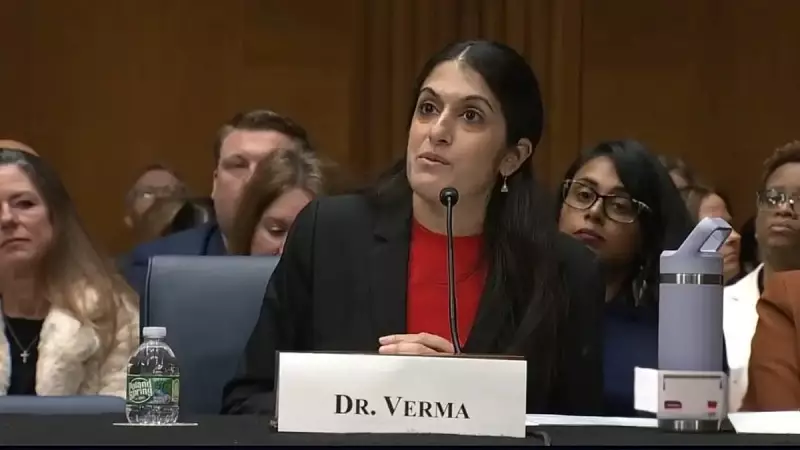
An Indian-origin medical expert created a stir during a United States Senate committee hearing. The doctor refused to provide a clear yes-or-no answer to a direct question about male pregnancy. This exchange happened amid a heated debate about abortion medication safety.
The Senate Hearing Incident
The scene unfolded before the Senate Health, Education, Labor, and Pensions Committee. Lawmakers gathered to examine the safety protocols surrounding abortion pills. During this crucial discussion, a senator posed a seemingly simple question to the testifying physician.
The query was direct: "Can men get pregnant?" Instead of offering a definitive response, the doctor of Indian origin chose to avoid a binary answer. This evasion immediately drew attention and sparked reactions across the political aisle.

Political Reactions and Social Media Buzz
Senator Josh Hawley of Missouri quickly commented on the exchange. He took to the social media platform X, formerly known as Twitter, to express his view. Hawley posted a message that read, "SPOILER ALERT: Men cannot get pregnant." His tweet included a reference to the hearing's viral moment.
The senator's post gained rapid traction online. It highlighted the growing tension between biological definitions and contemporary gender discussions in medical testimony. This incident reflects broader cultural debates entering formal government proceedings.
Context of the Abortion Pill Safety Debate
The hearing itself focused on a significant medical issue. Committee members aimed to determine the safety and regulation of abortion pills in the United States. These medications have become a central point in reproductive health policy discussions nationwide.
Medical professionals, including the Indian-origin doctor, provided expert testimony. They discussed clinical data, patient outcomes, and regulatory frameworks. However, the question about male pregnancy shifted the conversation toward more fundamental biological concepts.
This diversion underscored how political and social questions can intersect with technical medical inquiries during congressional hearings. The doctor's non-committal response left room for interpretation on both sides of the abortion debate.
Implications for Medical Testimony and Public Discourse
The event raises important questions about expert witness roles in legislative settings. Should doctors provide strictly biological answers, or must they consider evolving social understandings of gender? This dilemma faced the testifying physician during the Senate session.
Public reaction has been divided. Some observers criticized the doctor for avoiding a basic scientific fact. Others defended the response as appropriately cautious in a politically charged environment. The incident continues to generate discussion about language, science, and policy.
As the abortion debate remains a polarizing issue in American politics, such moments gain symbolic weight. They illustrate the challenges experts face when navigating between medical accuracy and contemporary social sensitivities during official government testimony.