Indian Americans Confront Growing Anti-Immigrant Sentiment
Indian communities across the United States are experiencing a significant increase in anti-immigrant rhetoric. This troubling trend manifests through both online harassment and real-life discrimination. Experts observe that the backlash is now influencing workplace environments and even cultural celebrations.
Experts Warn of Escalating Rhetoric
Siddharth Venkataramakrishnan, an analyst at the London-based Institute for Strategic Dialogue, provided a stark assessment. He stated that Indians have become targets within an increasingly ethnocentric narrative surrounding migrants. According to his analysis reported by the Financial Times, the situation is deteriorating.
"I think where we go from here is, unfortunately, that we see anti-immigrant rhetoric increasingly moving in the direction of a 'war for the soul of America'," Venkataramakrishnan added. This shift in public discourse has tangible consequences for the community.

Impact on Cultural Events and Workplace Dynamics
Advocacy groups report that the hostile climate is making US companies more reluctant to support Indian cultural events. Celebrations like Diwali now face reduced corporate sponsorship due to these tensions. The discrimination extends beyond cultural spaces into professional environments.
Workplaces are becoming less welcoming for Indian professionals. Many face subtle biases and overt hostility from colleagues influenced by the negative rhetoric. This creates a challenging atmosphere for career advancement and daily work life.
H-1B Visa Changes Fuel the Fire
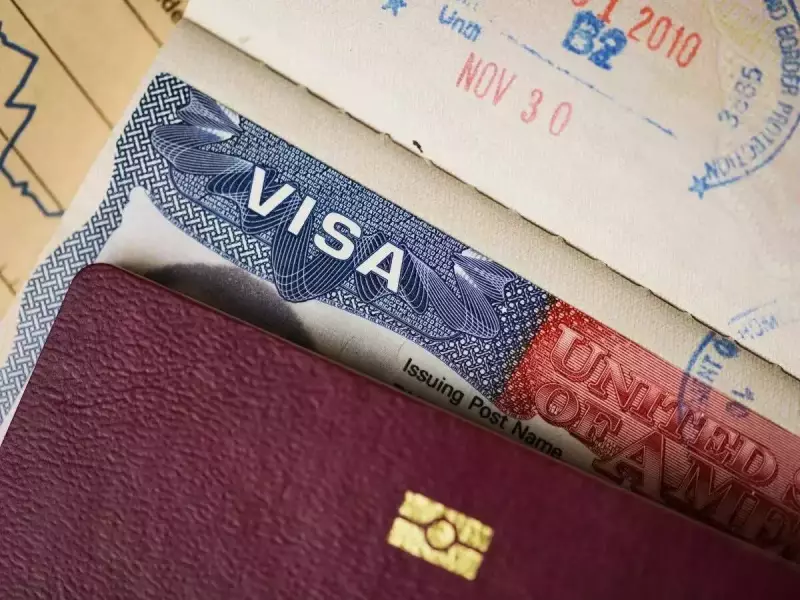
The surge in hostility coincides with recent modifications to the H-1B visa program. Indian nationals constitute a substantial majority of H-1B visa holders, representing seventy-one percent of all recipients. This prominent presence has made the community a focal point for criticism.
Critics often accuse Indian workers of being "job stealers" and visa scammers. A common complaint suggests they accept lower salaries than American workers, thereby undercutting domestic labor markets. In response, the Department of Homeland Security announced a policy shift.
Starting in February, visa applications will prioritize the highest-paid workers. Officials claim this adjustment will "better protect American workers." However, this change may further stigmatize Indian professionals who already face prejudice.
Organized Harassment Campaigns Documented
The non-profit Centre for the Study of Organized Hate has identified coordinated campaigns targeting Indian American entrepreneurs. These efforts specifically harass business owners who received Small Business Administration loans. The hostility forms part of a broader pattern.
Researchers describe this as a "spike in discrimination and harassment in the US portraying Indians as job stealers and visa scammers." The campaigns leverage online platforms to amplify negative stereotypes and intimidate community members.
Alarming Statistics on Hate Incidents
Recent data reveals a disturbing increase in threats against South Asian individuals. According to reports from Stop AAPI Hate and the counterterrorism firm Moonshot, threats of violence rose by twelve percent in the year leading to November.
Online abuse targeting South Asians showed an even sharper increase. Instances of online slurs jumped by sixty-nine percent during the same period. These numbers highlight the escalating nature of the problem.
The combination of policy changes, economic anxieties, and political rhetoric creates a perfect storm for discrimination. Indian Americans now navigate a landscape where their contributions are questioned and their presence resented by some segments of society.
Community leaders emphasize the need for greater awareness and protective measures. They advocate for stronger responses from both corporate America and law enforcement agencies to curb this rising tide of intolerance.