India and China Bear the Brunt of Trump's Stricter Visa Policies, Report Finds
A recent report has highlighted that India and China are the countries most severely impacted by the tougher visa policies implemented during former President Donald Trump's administration. The findings indicate a substantial decline in visa approvals for citizens from these nations, affecting various categories including students, professionals, and temporary workers.
Significant Decline in Visa Approvals
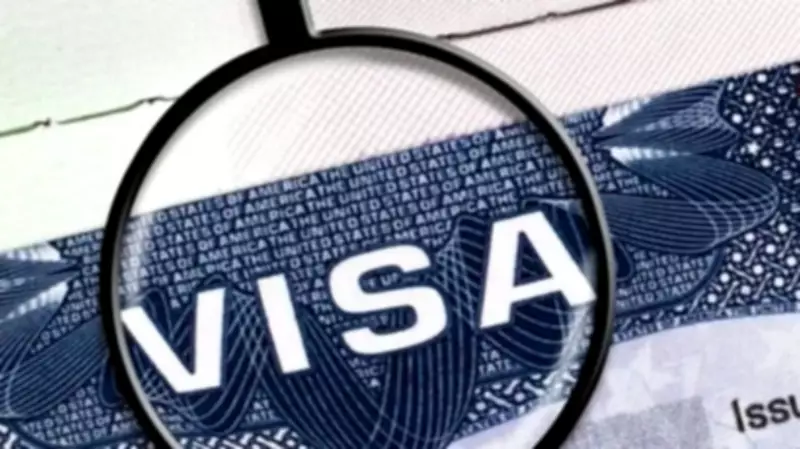
The report, based on data analysis of US immigration statistics, shows that visa approval rates for Indian and Chinese applicants dropped markedly under Trump's policies. For instance, the approval rate for H-1B visas, which are popular among Indian tech professionals, fell by over 15% compared to previous years. Similarly, student visa approvals for Chinese nationals saw a reduction of approximately 20%, impacting thousands of aspiring scholars.
This trend is attributed to several policy changes, including increased scrutiny of applications, stricter eligibility criteria, and a general shift towards more restrictive immigration measures. The report notes that these policies were part of Trump's broader "America First" agenda, aimed at protecting domestic jobs and tightening border security.

Impact on Students and Professionals
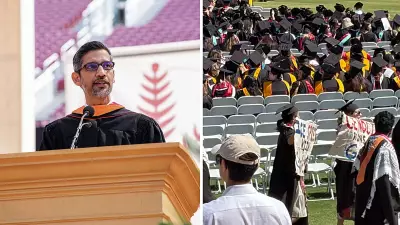
The stricter visa rules have had profound effects on the educational and professional aspirations of individuals from India and China. Many students faced delays or denials in obtaining F-1 visas, forcing them to reconsider their plans for studying in the United States. This has led to a noticeable shift in international student enrollment patterns, with some opting for alternative destinations like Canada, Australia, or the UK.
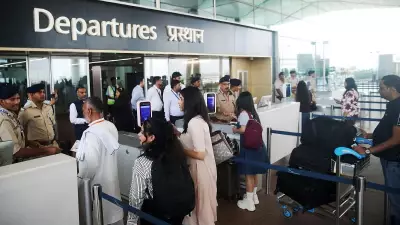
For professionals, the reduced approval rates for work visas like H-1B and L-1 have created uncertainty and challenges in career advancement. Companies relying on skilled foreign workers have also been affected, with reports of project delays and increased operational costs due to difficulties in hiring international talent.
Broader Implications for US-India and US-China Relations
The visa policies have not only impacted individuals but also strained diplomatic and economic relations between the United States and the two Asian giants. In India, there has been growing concern over the treatment of its citizens, with some officials calling for reciprocal measures. Similarly, in China, the policies have been viewed as part of escalating tensions between the two superpowers, affecting trade and cultural exchanges.
The report suggests that these visa restrictions could have long-term consequences for the US economy, as they may deter top talent from contributing to innovation and growth in key sectors like technology, healthcare, and academia.
Current Status and Future Outlook
Since President Joe Biden took office, there have been efforts to roll back some of Trump's stricter immigration policies, including visa reforms. However, the report cautions that the effects of the previous administration's measures are likely to persist in the short term, with recovery in visa approval rates expected to be gradual.
Experts recommend that policymakers consider the broader impacts of visa policies on international relations and economic competitiveness. They emphasize the need for balanced approaches that ensure security while fostering global talent mobility and cooperation.
In summary, the report underscores how India and China have borne the brunt of Trump's tougher visa policies, with significant declines in approvals affecting students and professionals. As the US reevaluates its immigration stance, the outcomes will be closely watched by stakeholders worldwide.