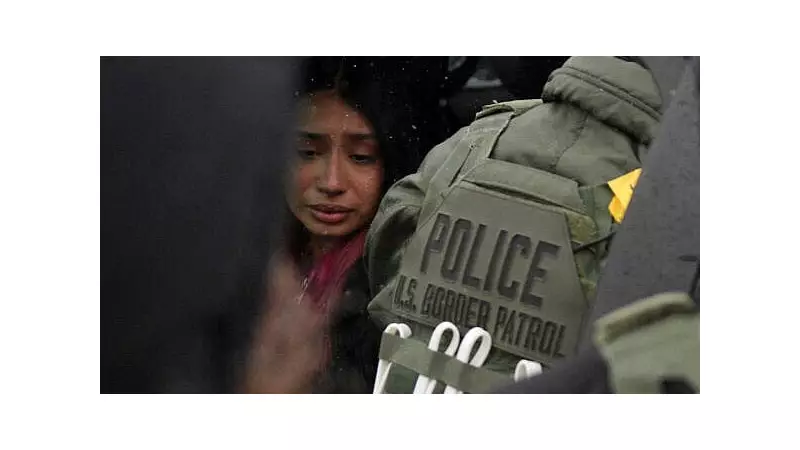
ICE Agents Allegedly Enter Homes Without Judicial Warrants, Whistleblower Group Claims
A whistleblower group has made serious allegations against U.S. Immigration and Customs Enforcement (ICE), claiming that agents can enter homes without obtaining judicial warrants. This revelation has sparked significant concern and debate over immigration enforcement practices in the United States.
Department of Homeland Security Officials Do Not Contest Specific Allegations
According to reports, Department of Homeland Security (DHS) officials did not contest the specific allegations made by the whistleblower group. This lack of denial has added weight to the claims, raising questions about the legality and oversight of ICE operations.
The allegations suggest that ICE agents may be bypassing standard judicial procedures, which typically require warrants issued by a judge based on probable cause. Such practices, if true, could violate constitutional protections against unreasonable searches and seizures.

Background and Implications of the Claims
The whistleblower group, whose identity remains undisclosed, brought these issues to light, highlighting potential abuses in immigration enforcement. The International New York Times reported on these allegations, noting their publication date of 22 January 2026.
Key points from the allegations include:
- ICE agents are accused of entering private residences without judicial warrants.
- DHS officials have not disputed the specific details of these claims.
- The practices could impact immigrant communities and civil liberties.
This situation underscores ongoing tensions between immigration enforcement and individual rights. Critics argue that such actions, if widespread, could erode trust in law enforcement and lead to legal challenges.
Reactions and Future Developments
As news of these allegations spreads, various stakeholders, including civil rights organizations and legal experts, are likely to scrutinize ICE's procedures. The lack of contest from DHS officials may prompt calls for greater transparency and accountability in immigration operations.
Potential outcomes include:
- Investigations into ICE's warrant practices by congressional committees or oversight bodies.
- Legal actions filed by affected individuals or advocacy groups.
- Policy reforms aimed at ensuring judicial oversight in immigration enforcement.
The allegations serve as a reminder of the complex balance between national security interests and the protection of civil rights in the context of immigration. As this story develops, further details may emerge regarding the validity of the claims and any corrective measures taken by authorities.