Hungary Vetoes EU's 20th Russia Sanctions Package in Dramatic Brussels Standoff
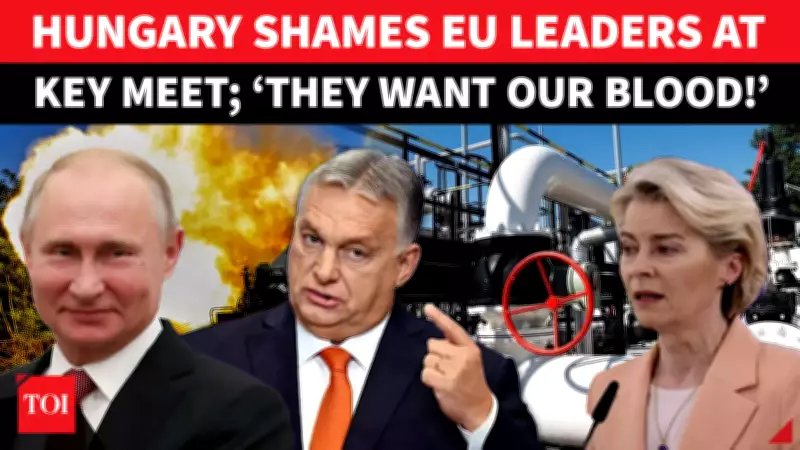
In a dramatic escalation of tensions within the European Union, Hungary has blocked the bloc's 20th sanctions package against Russia, creating an explosive showdown in Brussels. The Hungarian government, led by Prime Minister Viktor Orbán, has tied its approval to the resumption of oil flows through the critical Druzhba pipeline, which supplies Hungarian refineries.
Foreign Minister's Ultimatum on Sanctions and Ukraine Loan
Hungarian Foreign Minister Péter Szijjártó delivered a stark ultimatum, declaring that Budapest will veto both the sanctions package and a separate €90 billion Ukraine war loan unless energy transit to Hungary is fully restored. This position gives Hungary decisive leverage in EU decision-making, as unanimity is required for all sanctions measures against Russia.
Conflicting Narratives Over Pipeline Disruptions
The dispute centers on conflicting explanations for disruptions to the Druzhba pipeline. Ukrainian authorities blame Russian military strikes for damaging the infrastructure, while Hungarian officials accuse Ukraine of political blackmail and deliberately obstructing energy flows. This disagreement has exposed deep fractures within the European Union as it approaches the fourth anniversary of Russia's invasion of Ukraine.

The Hungarian blockade represents one of the most significant challenges to European unity since the war began. With Orbán's government holding veto power over both sanctions and financial support for Ukraine, the standoff threatens to undermine the EU's coordinated response to Russian aggression. The timing is particularly sensitive as European leaders prepare to mark four years of conflict in Ukraine.
Broader Context of Energy DependenceThis confrontation highlights Europe's ongoing energy vulnerabilities and the complex geopolitics of energy transit routes. Hungary's dependence on Russian oil through the Druzhba pipeline has created a strategic vulnerability that Budapest is now leveraging in high-stakes negotiations with its EU partners.
The Brussels showdown comes amid growing concerns about European solidarity and the effectiveness of sanctions regimes. As Hungary maintains its veto position, other EU member states face difficult choices between maintaining unity and addressing what they perceive as Hungarian obstructionism at a critical moment in European security policy.