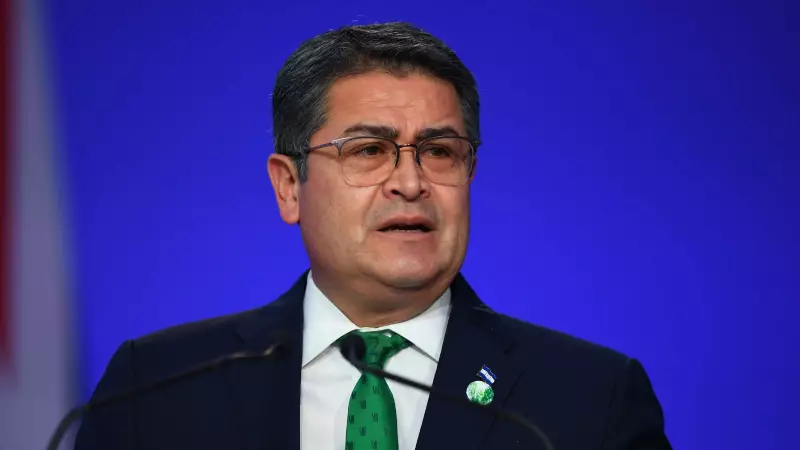
In a dramatic turn of events, former Honduran President Juan Orlando Hernández has been released from a United States prison. This follows a controversial pardon granted by former US President Donald Trump, overturning a life sentence for serious drug trafficking charges.
From Presidency to Prison and Sudden Freedom
Juan Orlando Hernández, who led Honduras from 2014 to 2022, faced a stunning fall from grace. US authorities arrested him shortly after he left office. A New York court later found him guilty on multiple counts related to drug trafficking. The conviction carried a mandatory life sentence, which he began serving in a federal facility.
The case centered on allegations that Hernández conspired to import massive quantities of cocaine into the United States. Prosecutors argued he used his presidential power to protect drug cartels in exchange for millions of dollars in bribes. This money, they claimed, fueled his political campaigns and enriched him personally.

The Unprecedented Presidential Pardon
The pivotal moment came when Donald Trump, exercising a presidential power, issued a pardon for Hernández. This action directly nullified the court's life sentence and ordered his immediate release from custody. The legal basis for this move remains a subject of intense debate among experts.
Trump's decision has sent shockwaves through diplomatic and legal circles. It represents a rare instance where a US president has pardoned a foreign head of state convicted on such grave charges. The timing and motivation behind the pardon are now under scrutiny.
International Repercussions and Future Uncertainties
The release of the former Honduran leader has significant international consequences. The government of Honduras has expressed strong disapproval, stating it was not consulted. This event strains relations between the two nations and complicates ongoing anti-narcotics cooperation.
Furthermore, the pardon raises critical questions about the future of cross-border justice efforts. It may embolden other corrupt officials who believe political connections can override legal judgments. Human rights groups and anti-corruption advocates have condemned the move as a setback in the fight against transnational crime.
Juan Orlando Hernández's current whereabouts and legal status are unclear. While free from US prison, he potentially faces legal challenges in Honduras or extradition requests from other countries. His release does not equate to an innocence verdict; the conviction stands, only the punishment was commuted.
This case underscores the immense power of the US presidential pardon and its potential to alter international legal landscapes. The aftermath will be closely watched by governments and judicial bodies worldwide, concerned about the precedent it sets for holding powerful figures accountable.