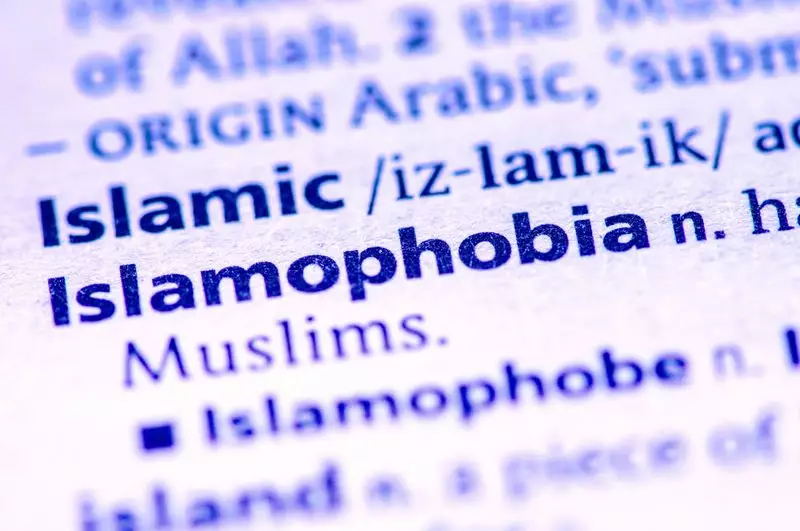
Leading Hindu and Sikh organizations in the United Kingdom have raised serious concerns about the British government's proposed official definition of anti-Muslim hostility. They argue that the current wording is fundamentally flawed, could suppress legitimate criticism of religious practices, and may inadvertently fuel tensions between different communities.
Core Objections to the Proposed Definition
The controversy centers on a definition proposed by the UK's All-Party Parliamentary Group (APPG) on British Muslims. The definition states: "Anti-Muslim hatred is a form of racism that targets expressions of Muslimness or perceived Muslimness." Major groups, including the Hindu Forum of Britain (HFB) and the Sikh Council UK, have formally cautioned the government against adopting this formulation.
In a detailed letter addressed to UK Home Secretary Suella Braverman, these organizations outlined their primary objections. They contend that the term "Muslimness" is dangerously vague and subjective. This lack of clarity, they warn, could lead to the definition being misapplied to silence or penalize any critique of Islamic doctrines, practices, or political ideologies by labeling it as racism.

The groups emphasize that criticism of a religion or its tenets is a fundamental right in a democratic society and must be protected under free speech. They fear the definition could create a chilling effect, where individuals from other faith backgrounds, or even ex-Muslims, hesitate to speak freely for fear of being accused of bigotry.
Risks of Exacerbating Community Tensions
Beyond free speech concerns, the Hindu and Sikh bodies warn of significant societal repercussions. They argue that singling out one religious community for a special protected definition, while other communities face similar issues with prejudice, is divisive. This approach, they say, could foster resentment and create a "hierarchy of victimhood" among minority groups in Britain.
The letter points out that communities like Hindus and Sikhs also face specific, identity-based forms of hatred and discrimination. Granting a unique statutory definition to one group, they argue, sidelines the legitimate grievances of others and fails to address the broader spectrum of faith-based hostility in the country.
This move, they caution, could destabilize the UK's long-standing model of multiculturalism by pitting communities against each other rather than promoting universal principles of equality and mutual respect under the law.
Calls for a Broader, More Inclusive Approach
Instead of adopting the APPG's definition, the Hindu and Sikh organizations are urging the UK government to take a different path. They advocate for a comprehensive review of how all forms of religious hatred are addressed within existing legal frameworks, such as the Public Order Act.
Their recommendation is to develop a more inclusive and precisely defined terminology that protects all faith communities equally from targeted hostility, without compromising the right to freedom of expression. They believe a unified approach would be more effective in fostering social cohesion and ensuring that legal protections are applied fairly and without bias.
The intervention by these prominent diaspora groups highlights the complex challenges in legislating against religious hatred in a diverse society. It underscores the need for definitions that are legally robust, protect free speech, and are perceived as just by all communities involved.