Hillary Clinton Threatens to Walk Out of Epstein Deposition After Photo Incident
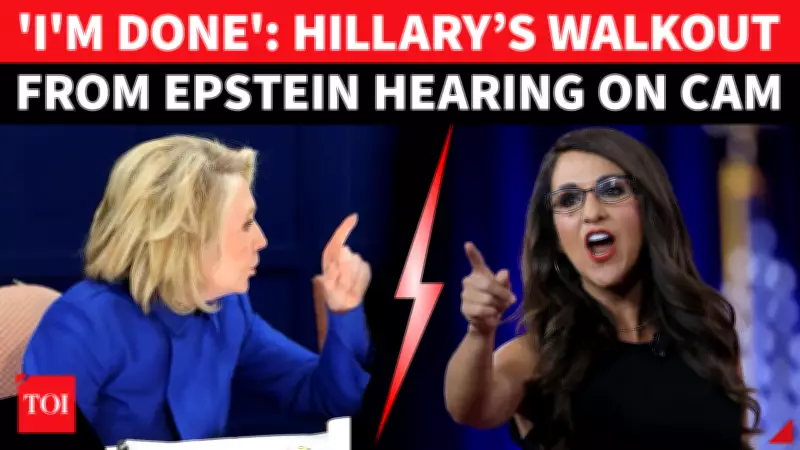
Former U.S. Secretary of State Hillary Clinton made headlines when she threatened to walk out of a deposition during a House Oversight Committee hearing on Jeffrey Epstein. The incident occurred after Representative Lauren Boebert shared a picture of Clinton's testimony, which visibly angered the former presidential candidate.
Clinton's Visible Frustration During Questioning
During the deposition, Clinton was reportedly answering questions about her connections to Epstein when her attorney noticed that a photo of her testimony had been shared with the media. This action, which appeared to violate deposition protocols, immediately drew Clinton's ire. Witnesses described her as "visibly miffed" and "irritated" by what she perceived as a breach of confidentiality.
The confrontation escalated quickly when Clinton's legal team raised objections about the photo being circulated. According to sources familiar with the proceedings, Clinton directly addressed the committee members, stating that such actions undermined the integrity of the deposition process. Her attorney emphasized that sharing visual evidence from a closed hearing could compromise the investigation's fairness.

Background of the Epstein Investigation Hearing
The House Oversight Committee has been conducting a thorough investigation into Jeffrey Epstein's network and his connections to various high-profile individuals. Epstein, a convicted sex offender who died in prison in 2019, had associations with numerous politicians, business leaders, and celebrities. The committee aims to uncover any potential cover-ups or misconduct related to his activities.
Clinton's deposition was part of this broader inquiry, as she had known Epstein socially in the past. While she has previously denied any wrongdoing or deep involvement with him, the committee sought to clarify the extent of their interactions. The photo incident added an unexpected layer of drama to what was already a highly charged political environment.
Reactions and Implications of the Walkout Threat
Political analysts suggest that Clinton's reaction highlights the sensitive nature of the Epstein investigation. The threat to walk out underscores how participants view the proceedings as potentially damaging to their reputations. Some observers argue that the photo leak could be seen as a strategic move to pressure witnesses or sway public opinion.
Representative Boebert, who shared the photo, has not publicly commented on Clinton's reaction. However, committee rules typically restrict the dissemination of visual materials from depositions to maintain procedural integrity. Legal experts note that such breaches could lead to sanctions or affect the admissibility of evidence in future proceedings.
The incident has sparked discussions about transparency versus privacy in high-stakes investigations. While the public has a right to know about the Epstein case, witnesses also deserve protection from premature exposure that might influence testimony. Clinton's stance reflects a broader concern about maintaining fair process in politically sensitive hearings.
What Happens Next in the Epstein Probe
Despite the disruption, the House Oversight Committee is expected to continue its investigation into Epstein's network. Other prominent figures may be called to testify as the probe expands. The committee's findings could have significant political ramifications, especially as they relate to individuals with ties to both major U.S. political parties.
Clinton's deposition is likely to be reviewed carefully, with attention to both her answers and the circumstances surrounding the photo incident. The committee may need to address procedural issues to prevent similar conflicts in future sessions. As the investigation progresses, more details about Epstein's connections and any potential cover-ups are anticipated to emerge.