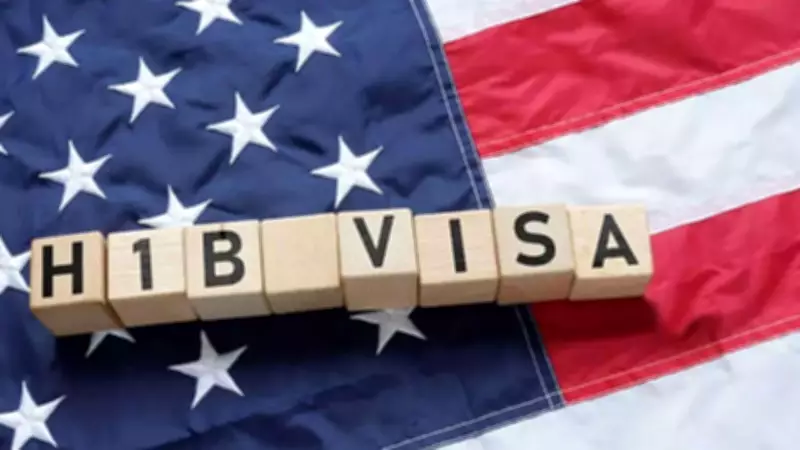
Social Media Clash Over H-1B Visas Draws National Attention
A heated social media dispute between prominent Indian-American leaders regarding the controversial H-1B visa program has escalated, capturing wider public interest after intervention from Stephen Horn, a former January 6 rioter and independent journalist. The debate centers on immigration policy, ethnic politics, and allegations of fraud within the visa system.
Texas GOP Chairman Calls for End to H-1B Program
The controversy ignited when Abraham George, the Texas Republican Party chairman of Indian origin, publicly advocated for terminating the H-1B visa program. In a post on X, George labeled the program as rife with fraud and accused it of displacing American workers from their jobs.
"It has to stop. We must make it a legislative priority of the Texas GOP to rid our state of H-1Bs and put Texans first. #AmericaFirst," George declared.
—

This statement immediately sparked backlash from within the Indian-American community, highlighting deep divisions over immigration and identity politics.
Indian-American Advocacy Council Founder Fires Back
Sidharth, founder of the Indian-American Advocacy Council, responded sharply to George's remarks. He criticized George for overlooking a surge in xenophobic hate crimes targeting Indian-Americans in Texas, a traditionally conservative state.
"Are you scared you'll get deported?" Sidharth questioned, prompting a tense exchange where George replied, leading Sidharth to retort: "Are you kidding me? Your response to take a responsible statement on the rampant racism against Indians is this?"
The exchange underscores growing tensions between assimilationist and advocacy-focused approaches within diaspora communities.
Stephen Horn Enters the Fray with Controversial Commentary
The dispute gained additional traction when Stephen Horn, a journalist known for covering the January 6 Capitol breach, commented on the situation. On X, Horn remarked:
"Hindu Indians are big mad that a Christian Indian isn't using his position in American politics to shill for more Indians. Refraining from organizing along ethnic lines is the bare minimum we must expect from foreigners in our country."
Horn's involvement adds a layer of national political commentary, linking the issue to broader debates about foreign influence and ethnic loyalty in American politics.
Background on Stephen Horn: Journalist and Convicted Rioter
Stephen Horn identifies as an independent journalist and operates The Triangle Trumpet on Substack, focusing on political reporting. He gained notoriety for his coverage of the January 6, 2021, events at the U.S. Capitol.
Horn was arrested in April 2021 for unlawfully entering the Capitol during the breach. In September 2023, he was convicted on four misdemeanor charges related to the incident. His sentencing in January 2024 resulted in 12 months of probation, a $2,000 fine, and 90 hours of community service, marking him as a controversial figure in media circles.
Texas Crackdown on H-1B Visas Intensifies Debate
The social media spat occurs against a backdrop of increasing regulatory actions against H-1B visa usage in Texas. State authorities have implemented a freeze on H-1B hiring across state agencies and public universities, signaling a stricter approach to immigration enforcement.
Furthermore, ongoing investigations target three H-1B staffing firms, accused of potential abuses within the visa system. These measures reflect a growing political and legal scrutiny of the H-1B program, which critics argue undermines local employment opportunities.
Broader Implications for Indian-American Community and Immigration Policy
This incident highlights several critical issues:

- Internal Divisions: The clash reveals fissures within the Indian-American community regarding how to engage with U.S. immigration politics.
- Political Polarization: Comments from figures like Horn illustrate how immigration debates are increasingly framed in ethnoreligious terms.
- Policy Impact: Texas's aggressive stance on H-1B visas may influence national immigration discussions and legislative priorities.
- Media Role: The involvement of journalists like Horn shows how social media amplifies local disputes into national conversations.
As the H-1B program remains a flashpoint in U.S. immigration policy, this dispute underscores the complex interplay between diaspora politics, domestic policy, and public discourse in an election year.