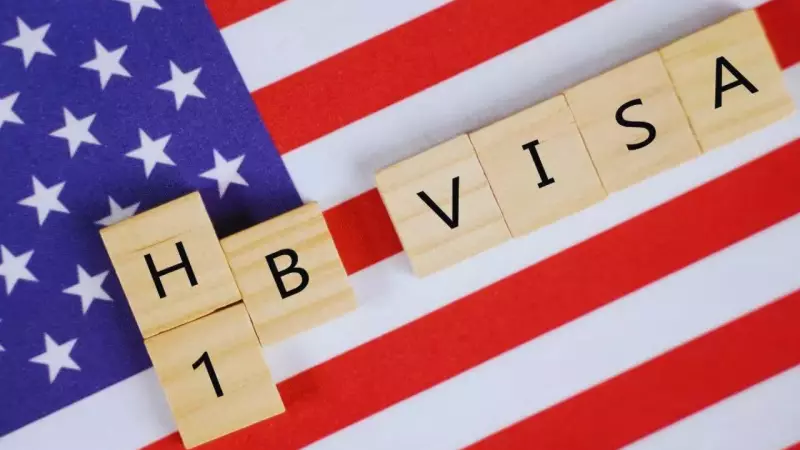
H-1B and H-4 visa holders are encountering severe delays and uncertainty when trying to secure visa appointments in India, a situation immigration experts attribute to enhanced social media vetting procedures initiated in mid-December. The backlog has created a crisis of confidence, leaving many unsure about their ability to travel home for emergencies or family events and return to the United States.
Widespread Appointment Cancellations and Long Waits
The new vetting process, which began on December 15, 2025, has led to significant disruptions. Immigration attorneys report being inundated with queries from anxious visa holders. A major point of confusion is whether individuals can safely travel to India for urgent matters like a family wedding or an emergency without jeopardizing their re-entry to the U.S.
The scale of the problem became clear when hundreds of visa appointments were canceled in December 2025 and rescheduled for March 2026 and April onwards. This has left those with interviews scheduled for April 2026 in a difficult position. Many had made travel plans around these dates but now face the unsettling possibility of further deferrals, throwing their arrangements into disarray.

Legal Advice: Be Prepared for a Protected Stay
Prominent immigration attorney Rahul Reddy offers stark advice for those planning to travel to India for visa stamping. He cautions that anyone who cannot re-enter the U.S. without a new visa stamp should reconsider travel, even in April. "There are chances that those appointments might get deferred," he warns.
Reddy emphasizes that travelers must be ready for an extended stay in India. The timeline for processing is unpredictable, and new rules could be introduced at any time. "Be prepared for a long stay as nobody knows how much time it will take and what new rules will come into effect," he stated.
The Illusion of Emergency Appointments
While U.S. consular offices do provide emergency visa slots for urgent, unforeseen circumstances, this avenue appears to be effectively closed under the current backlog. Reddy explained that he knows of no one who has successfully secured an emergency appointment in India recently because there are simply no slots available.
He clarified a critical point of confusion: Consular officers distinguish between an emergency to travel *to* India and an emergency to return *to* the U.S. "Visa officers won't care to take up any family emergency case urgently because there is no emergency to return to the US," Reddy explained. The U.S. administration does not stop anyone from traveling to India, but the urgency to return is not considered a qualifying emergency for an expedited appointment.
The attorney also highlighted a severe professional risk. If a visa holder loses their job while stranded in India, finding new U.S. employment becomes extremely difficult. A new employer would need to file a fresh petition and pay the associated $100,000 H-1B petition fee, a significant barrier that makes re-hiring unlikely.
The combination of social media vetting, massive appointment delays, and the unavailability of emergency slots has created a perfect storm for Indian professionals on U.S. work visas. The advice from experts is unanimous: travel to India for visa stamping is a high-risk endeavor that requires planning for potentially months of uncertainty.