In a development that adds a new layer to ongoing trade tensions, a senior United States Senator has made a significant claim regarding India's stance on American tariffs linked to its energy purchases from Russia. The assertion comes alongside a fresh warning from former President Donald Trump, highlighting the complex interplay between diplomacy, energy security, and trade negotiations between Washington and New Delhi.
Senator Graham's Surprising Revelation
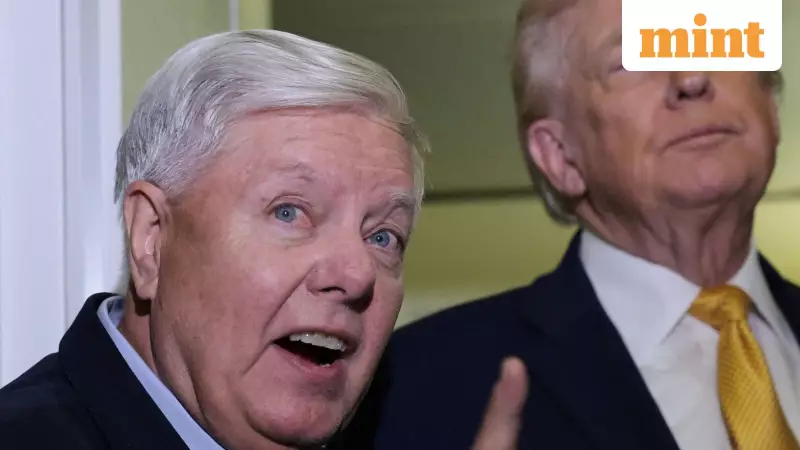
Speaking to reporters while traveling on Air Force One with Donald Trump last Sunday, Republican Senator Lindsey Graham revealed a private conversation he allegedly had with India's Ambassador to the United States, Vinay Mohan Kwatra. Graham stated that the meeting took place at the Indian Ambassador's residence approximately a month ago.
According to Graham, Ambassador Kwatra's primary focus was on India's reduced procurement of Russian crude oil. The Senator claimed the envoy asked him to convey a message to Trump, urging him to waive the additional 25% tariff that the US imposes on New Delhi due to these energy imports. "All he wanted to talk about was how India is buying less Russian oil. And he asked me to tell the President to relieve the 25% tariff," Graham told the press corps.

However, it is crucial to note that the Indian government has not officially confirmed Senator Graham's account regarding any reduction in Russian oil purchases. New Delhi has consistently defended its energy trade with Moscow as a necessary measure for its domestic energy security, especially in a volatile global market.
Trump's Tariff Warning and Broader Geopolitical Context
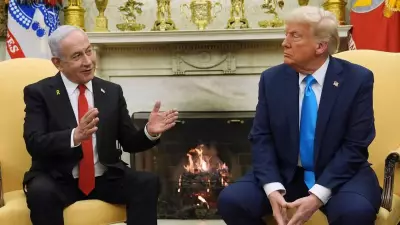
The senator's comments arrived in tandem with a pointed warning from Donald Trump directed at India. Trump, referencing Prime Minister Narendra Modi, stated, "PM Modi's a very good man. He's a good guy. He knew I was not happy. It was important to make me happy. They do trade, and we can raise tariffs on them very quickly."
This warning underscores the growing scrutiny in Washington over the depth of India's economic ties with Russia, particularly in the energy sector. The US has maintained a policy of imposing costs on entities supporting Russia's economy following its invasion of Ukraine.
The geopolitical landscape for global oil has been further complicated by recent US military action against Venezuela. Venezuela sits on the world's largest proven oil reserves, estimated by OPEC at over 300 billion barrels, which constitutes about 17% of global supply. However, years of US sanctions and underinvestment have crippled its production, currently languishing near 1 million barrels per day. This strike has thrust energy security and supply chains back to the forefront of international diplomacy.
Ongoing Trade Negotiations and Key Takeaways
These exchanges occur against the backdrop of continued high-level engagement between the two nations. Just weeks before Graham's claim and Trump's warning, Prime Minister Modi and Donald Trump held a telephonic conversation. Both leaders emphasized the importance of maintaining positive momentum in bilateral trade relations, despite existing tensions over tariffs.
This call coincided with the launch of a new round of negotiations between Indian and US officials, aiming to break the long-standing trade deadlock. Notably, only days prior to speaking with Modi, Trump had threatened to impose new tariffs on Indian rice imports. This threat followed allegations of dumping raised by a US farmer representative during a White House roundtable discussion, which also targeted China and Thailand.
The key dynamics emerging from this situation are clear. The India-US relationship is being tested at the intersection of strategic trade negotiations and contentious energy import policies. India's decisions regarding oil sourcing remain under a microscope in Washington, directly influencing the threat of punitive tariffs. Furthermore, as demonstrated, direct communication between the leadership can significantly sway the tone and trajectory of bilateral trade discussions, for better or worse.