Germany Reiterates Unwavering Support for NATO Alliance
In a firm response to recent comments by former US President Donald Trump regarding a potential US exit from NATO, the German government has unequivocally reaffirmed its commitment to the transatlantic alliance. The statement comes amid growing concerns over the stability of NATO's future, particularly in light of Trump's recurring remarks on this issue.
Government Spokesperson Addresses Trump's Recurring Statements
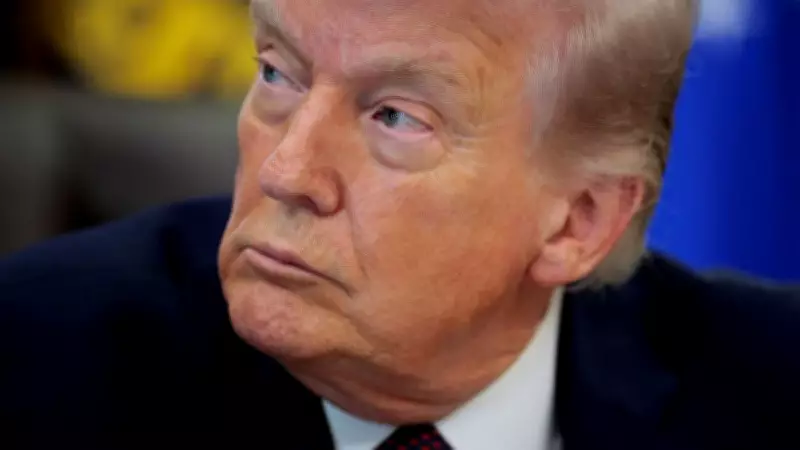
A spokesperson for the German government directly addressed Trump's latest comments, highlighting their repetitive nature. "This isn't the first time Trump has done this, and since it's a recurring phenomenon, you can probably judge the consequences for yourself," the spokesperson stated. This pointed observation underscores Berlin's view that such statements are not isolated incidents but part of a pattern that requires careful consideration.
The spokesperson's remarks suggest that Germany is well aware of the potential implications of Trump's rhetoric, which has previously included threats to withdraw US support from NATO. By labeling it a "recurring phenomenon," the German government implies that these comments are predictable and that allied nations must prepare accordingly.

Context of Trump's NATO Exit Comments
Donald Trump, who served as US president from 2017 to 2021, has a history of criticizing NATO, often questioning the alliance's relevance and the financial contributions of member states. His latest comments, which sparked the German response, reportedly reiterated his stance that the US might reconsider its membership if certain conditions are not met.
This has raised alarms in European capitals, including Berlin, where NATO is seen as a cornerstone of regional security. Germany, as one of NATO's key members, has consistently emphasized the importance of collective defense and unity among allies.
Germany's Strategic Position and NATO's Future
Germany's reaffirmation of its NATO commitment is not merely a diplomatic gesture but a strategic necessity. As Europe's largest economy and a major military contributor to the alliance, Germany plays a pivotal role in maintaining NATO's cohesion and effectiveness.
The German government's response highlights several key points:
- Stability and Predictability: Berlin values the stability that NATO provides and views Trump's comments as disruptive to this predictability.
- Alliance Solidarity: Germany stresses the importance of solidarity among NATO members, especially in the face of external threats.
- Long-term Planning: The recurring nature of Trump's remarks necessitates long-term strategic planning to safeguard NATO's interests.
This incident underscores the ongoing challenges NATO faces in navigating political shifts within member states. While the US remains a crucial ally, Germany's firm stance signals that European nations are prepared to uphold the alliance's principles, regardless of political fluctuations in Washington.
Broader Implications for International Relations
The German response to Trump's comments reflects broader concerns about the future of international alliances in an era of geopolitical uncertainty. NATO, founded in 1949, has long been a symbol of Western unity, but recent years have seen strains due to differing political agendas.
Germany's proactive stance serves as a reminder that European nations are increasingly taking on leadership roles within NATO, particularly as the US political landscape evolves. This could lead to a rebalancing of responsibilities within the alliance, with Germany and other European members stepping up to ensure its continuity.
In conclusion, Germany's reaffirmation of its NATO commitment in the wake of Trump's exit comments is a significant development in international politics. It not only addresses immediate concerns but also sets the stage for a more resilient and adaptable alliance in the years to come.