France Announces Expansion of Nuclear Arsenal, Macron Rejects Shared Control
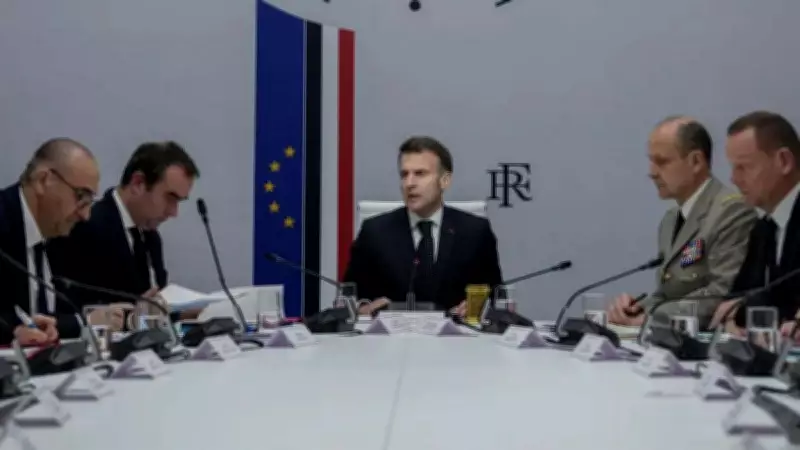
In a significant defense policy announcement, French President Emmanuel Macron has declared that France will increase its nuclear arsenal, while simultaneously ruling out any proposals for shared control of these strategic weapons. This move underscores France's commitment to maintaining full sovereignty over its nuclear deterrent, a cornerstone of its national security framework.
Macron's Firm Stance on Nuclear Sovereignty
President Macron emphasized that France's nuclear arsenal is a vital component of its defense strategy, and any notion of sharing control with other nations or international bodies is categorically off the table. He stated that the decision to expand the arsenal is driven by evolving global security threats and the need to ensure France's ability to deter potential aggressors independently.
This announcement comes amid ongoing debates in international forums about nuclear disarmament and non-proliferation. Macron's position highlights France's determination to uphold its strategic autonomy, even as it engages in diplomatic efforts to promote global stability.

Details of the Nuclear Arsenal Expansion
While specific numbers and timelines for the expansion were not fully disclosed, Macron indicated that the plan involves modernizing existing nuclear capabilities and potentially increasing the stockpile to address contemporary security challenges. The French government has long maintained a policy of nuclear deterrence, viewing it as essential for protecting national interests and contributing to European security.
The expansion is expected to include advancements in submarine-launched ballistic missiles and air-launched cruise missiles, key elements of France's nuclear triad. This aligns with broader trends among nuclear-armed states to update their arsenals in response to technological advancements and geopolitical shifts.
Implications for International Relations
Macron's rejection of shared control has implications for France's relationships with allies, particularly within NATO and the European Union. Some European partners have previously floated ideas for a common European defense framework that might include nuclear sharing, but France's stance reinforces its preference for bilateral cooperation over pooled sovereignty in this sensitive area.
- National Sovereignty: Macron stressed that nuclear weapons are a matter of supreme national interest, and France will not compromise on its ability to make independent decisions regarding their use and deployment.
- Global Security Context: The announcement reflects concerns about rising tensions in regions such as Eastern Europe and the Indo-Pacific, where nuclear capabilities play a crucial role in strategic calculations.
- Diplomatic Balancing Act: While expanding its arsenal, France continues to advocate for nuclear non-proliferation and arms control agreements, positioning itself as a responsible nuclear power.
Reactions and Future Outlook
Initial reactions to Macron's announcement have been mixed, with some analysts praising France's commitment to defense readiness, while others express concerns about an arms race. The move is likely to spark discussions in international security circles about the balance between national sovereignty and collective security efforts.
Looking ahead, France's nuclear policy will remain a key aspect of its foreign and defense strategies. Macron's clear stance sets the stage for continued investment in nuclear capabilities, ensuring that France retains a robust deterrent in an increasingly uncertain world.