

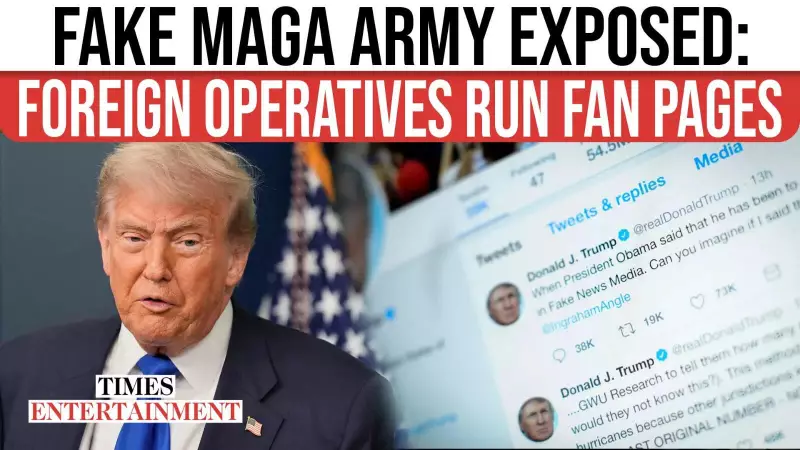
In a startling revelation that has sent shockwaves through political circles, several prominent pro-Trump social media accounts claiming to represent American supporters have been exposed as operating from outside the United States. The discovery, made public on November 24, 2025, raises significant questions about foreign influence in domestic political discourse and the monetization of partisan content.
The Foreign Connection Behind MAGA Accounts
New investigative findings have uncovered that multiple popular accounts aligned with the MAGA movement, previously assumed to be operated by genuine U.S.-based supporters, are actually run from foreign locations. These accounts have been strategically posing as American voices while leveraging X's controversial payout system to generate revenue through partisan content.
The accounts in question have been focusing on engagement-driven content designed to provoke strong reactions and generate maximum monetizable impressions. This sophisticated operation has been effectively capitalizing on the platform's financial incentives while masking the true geographic origins of its operators. The timing of this exposure comes amid growing concerns about digital misinformation and identity manipulation in political campaigning.

X's Response and Platform Accountability
In response to these findings, X leadership has announced plans to enhance geographic transparency features on the platform. This move aims to provide users with clearer information about the origins of accounts engaging in political discourse. However, critics argue that these measures may be too little, too late, given the scale of the uncovered operation.
The revelation has ignited broader discussions about several critical issues affecting digital political engagement: the prevalence of misinformation, the ease of identity masking on social platforms, and the concerning level of foreign participation in domestic political conversations. These concerns are particularly acute given the upcoming election cycles and the demonstrated impact of social media on voter behavior.
Broader Implications for Political Discourse
This exposure represents more than just another social media controversy—it highlights fundamental vulnerabilities in how political discourse unfolds in the digital age. The ability of foreign operators to not only influence conversations but also directly profit from partisan content creates troubling incentives that could distort genuine political engagement.
The monetization aspect adds another layer of concern, as it demonstrates how financial motivations can drive the spread of polarized content regardless of its authenticity or origins. This case has prompted calls for more robust verification systems and greater platform accountability in political content monetization.
As the story continues to develop, it underscores the ongoing challenges facing social media platforms in balancing free expression with the need for transparency in political communication. The incident serves as a stark reminder that in the digital political arena, not everything—or everyone—is as they appear.






