Florida Advances Proposal to Suspend H-1B Visa Hiring at Public Universities
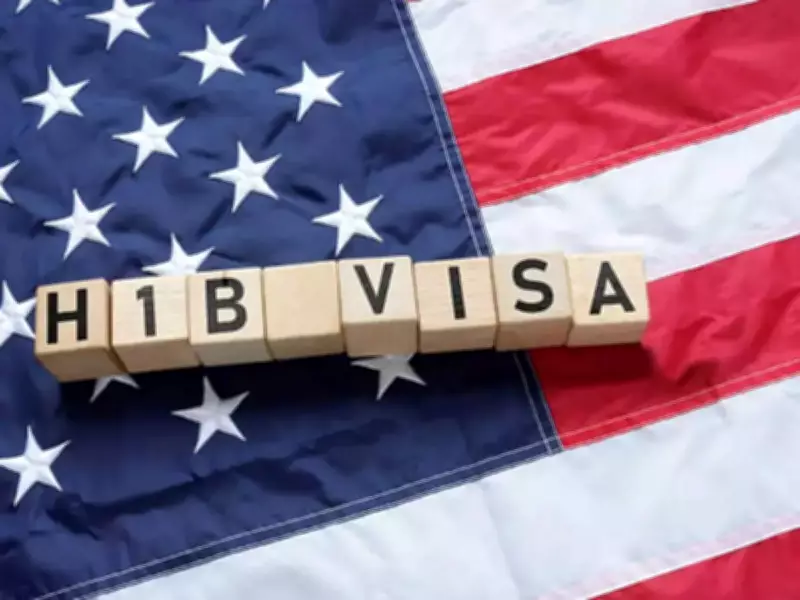
Florida has taken a significant step toward implementing restrictions on the use of H-1B visas within its public university system. The state is moving closer to enacting a policy that would prohibit institutions from hiring new foreign workers under this program for an entire year.
Committee Vote Sets Stage for Wider Decision
The proposal gained momentum following a committee vote within the State University System's Board of Governors. The Nomination and Governance Committee voted by voice to advance the measure, with no opposition recorded during the proceedings. This decision sets the stage for a broader decision after a mandatory public comment period concludes.
If ultimately approved, Florida would become the second U.S. state to impose such a ban on its public universities, following a similar freeze previously announced in Texas. The proposed restriction would prohibit universities from hiring any new employees on H-1B visas through January 5 of next year while officials gather data on the program's current usage patterns.

National Immigration Policy Context
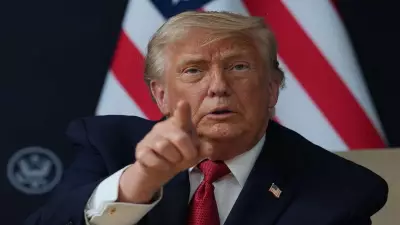
This state-level action occurs against a backdrop of broader changes in U.S. immigration policy. Recently, President Donald Trump's administration imposed a substantial $100,000 fee on new H-1B visa applications, a measure introduced to curb what supporters describe as overuse of the program. It's important to note that existing visa holders who are already legal residents are not required to pay this additional fee.
Florida Governor Ron DeSantis has previously criticized the hiring of foreign professors, emphasizing that Florida should prioritize job opportunities for its citizens. His administration had directed universities to reduce their reliance on H-1B visas even before the committee's recent vote took place.
Faculty and Student Concerns Emerge
During the committee discussion, significant objections were voiced by representatives of both faculty and students. Kimberly Dunn, chair of the statewide Advisory Council of Faculty Senates, emphasized that universities "rely on the H-1B process to recruit world-class talent."
Dunn highlighted that specialists including pediatric cancer surgeons and leading researchers contribute directly to Florida's health outcomes and economic development. She noted in her comments that the H-1B visa often represents the only viable pathway to recruit such specialized expertise to Florida's academic institutions.
Carson Dale, Florida State University's student body president, expressed support for hiring Americans where possible but opposed implementing a categorical ban. He argued that such restrictions undermine merit-based hiring practices and risk excluding qualified candidates before individual assessments can be conducted.
Data Analysis and Potential Impacts
According to data from the U.S. Citizenship and Immigration Services database, 253 H-1B workers were approved for employment at the University of Florida during the last fiscal year. Approximately 110 workers each were approved at Florida State University and the University of South Florida, with smaller numbers at other institutions within the state system.
System Chancellor Ray Rodrigues explained that the proposed pause would allow officials to thoroughly study program costs, wage practices, and strategic workforce needs. Committee Chair Alan Levine acknowledged potential challenges in critical areas such as medicine and engineering, noting that any unforeseen issues could potentially be revisited during the ban period if necessary.
The proposal now enters a two-week public comment period before returning to the full Board of Governors for a final vote. Notably, fourteen of the board's seventeen members are appointed by Governor Ron DeSantis and confirmed by the state senate, suggesting the measure has substantial political support.