

Former US Counterterrorism Analyst Questions Pakistan's Mediation Role Between US and Iran
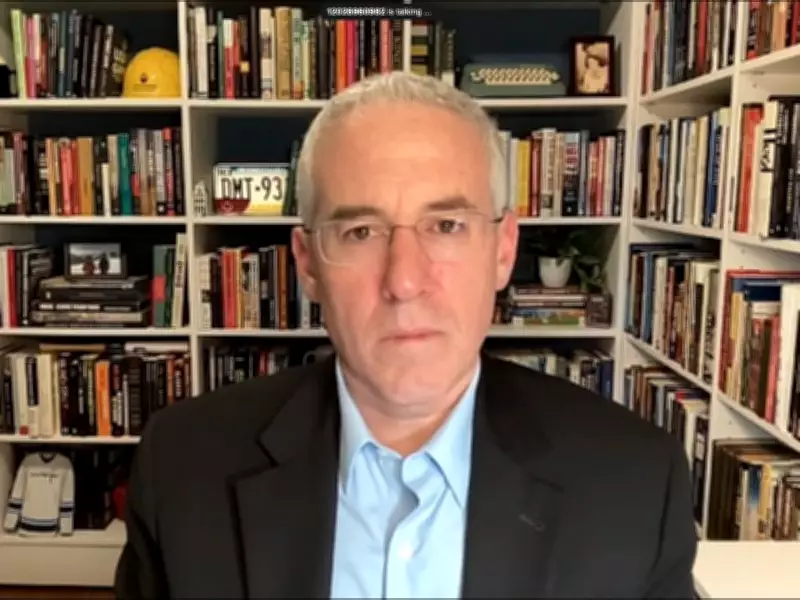
A former US Treasury counterterrorism analyst has publicly raised significant concerns regarding Pakistan's involvement in mediating between the United States and Iran. The analyst has posed a critical question: Is Pakistan primarily acting on behalf of China in this diplomatic endeavor? This inquiry sheds light on the complex geopolitical dynamics at play in South Asia and the Middle East.
Analyst's Concerns Over Pakistan's Allegiances
The analyst, who previously served in a counterterrorism capacity within the US Treasury Department, has expressed doubts about Pakistan's motivations in facilitating talks between Washington and Tehran. According to the analyst, there is a growing suspicion that Pakistan's actions may be influenced or directed by China, a key ally and economic partner. This perspective suggests that Pakistan's mediation efforts could be part of a broader strategy to advance Chinese interests in the region, rather than serving as an impartial broker.
The analyst emphasized that this raises serious questions about the transparency and effectiveness of such mediation. If Pakistan is indeed prioritizing Chinese objectives, it could undermine the trust necessary for successful diplomatic negotiations between the US and Iran. This scenario complicates already tense relations, as both nations navigate issues such as nuclear agreements and regional stability.

Geopolitical Implications for US-Iran Relations
The involvement of Pakistan in US-Iran mediation comes at a critical juncture. The United States and Iran have a history of strained relations, with ongoing disputes over nuclear programs, sanctions, and regional influence. Pakistan, which shares borders with Iran and has historical ties with both the US and China, positions itself as a potential mediator. However, the analyst's questions highlight potential conflicts of interest.
This development could impact the broader geopolitical landscape, particularly in terms of how regional powers align themselves. China's increasing influence in Pakistan, through initiatives like the China-Pakistan Economic Corridor (CPEC), adds another layer to this dynamic. If Pakistan is perceived as a proxy for China, it may affect how other nations, including the US, engage with Islamabad on diplomatic matters.
Broader Context of Regional Tensions
The analyst's remarks are not made in isolation. They reflect ongoing debates about Pakistan's foreign policy and its relationships with major global powers. In recent years, Pakistan has sought to balance its ties with the US, China, and Iran, often navigating delicate diplomatic waters. The question of whether Pakistan is "doing the bidding" of China in this mediation effort points to deeper issues of sovereignty and influence.
- China's Role: China has been expanding its economic and strategic footprint in Pakistan, which could incentivize Islamabad to align its diplomatic efforts with Beijing's interests.
- US Concerns: The United States has historically relied on Pakistan for counterterrorism cooperation, but this new development may strain that relationship if trust is eroded.
- Iran's Perspective: Iran might view Pakistan's mediation with skepticism if it suspects Chinese involvement, potentially hindering progress in talks.
Overall, the former US analyst's questions underscore the intricate web of alliances and rivalries that define contemporary international relations. As Pakistan continues to play a role in mediating between the US and Iran, the transparency of its intentions will be crucial for fostering genuine dialogue and resolving conflicts. This situation serves as a reminder of how global powers like China can indirectly shape diplomatic processes through their partnerships.






