Former Minister Makes Explosive Allegations Against US
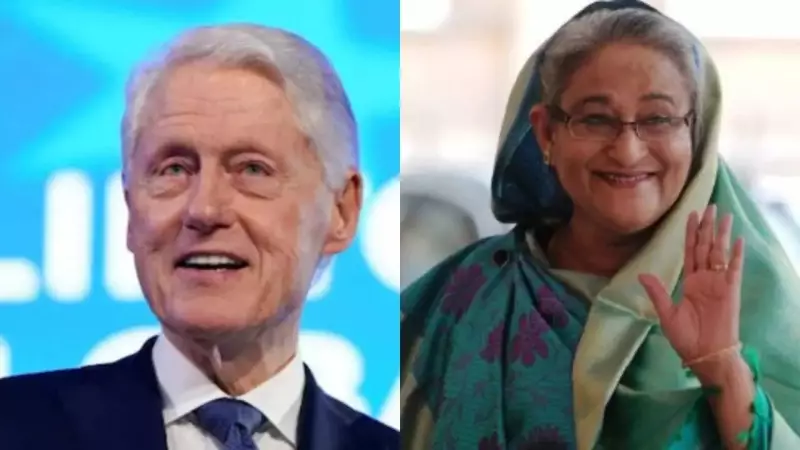
A former Bangladeshi minister has dropped a political bombshell, claiming that the 2024 riots that toppled Sheikh Hasina's government received backing from USAID and the Bill Clinton family. Mohibul Hasan Chowdhury, who previously served in Hasina's cabinet, made these startling revelations during an exclusive interview with Russia Today.
Western Organizations Accused of Destabilization Campaign
Chowdhury asserted that several US-based organizations had been systematically "running campaigns" against the Awami League government since 2018. He specifically named prominent American institutions, stating that "Certain actions of some NGOs, especially from the United States, naming a few, I mean USAID or the International Republican Institute were aimed at destabilising us."
The former minister's comments come more than a year after the dramatic political upheaval that forced Sheikh Hasina from power. The crisis reached its peak in August 2024 when student-led protests over job quotas escalated into violent confrontations, resulting in a devastating human toll.

Violent Protests and Political Fallout
According to interim government reports, the student-led protests turned deadly, claiming more than 700 lives. The violence culminated in protestors storming Hasina's residence, forcing the leader who had governed Bangladesh for 15 years to flee the country. Following her departure, Nobel laureate Muhammad Yunus was appointed as the chief adviser of the interim government.
Chowdhury insisted that the widespread violence was not spontaneous but rather part of a "carefully planned" operation supported by Western interests. He elaborated on his allegations, claiming "There is a nexus between the Clinton family and the Yunus regime from a long time ago. Funding through secret NGOs was taking place to bring regime change in Bangladesh."
Questions About US Aid and Funding
The former minister raised serious concerns about the utilization of American aid funds, questioning where the money had actually gone. "IRI was active, USAID's fundings were going to nowhere. Where had that money gone to? It was destined for regime change activities," he alleged during the interview.
The appointment of 85-year-old Muhammad Yunus as interim leader raised eyebrows, given his well-documented connections to American political circles. Yunus, who won the Nobel Peace Prize in 2006 for his microcredit initiatives targeting rural poverty, has maintained close associations with both Bill and Hillary Clinton over the years.
Sheikh Hasina's Response and Current Status
Currently residing in India, Sheikh Hasina has echoed similar accusations against the United States following her exile. In a message quoted by the Economic Times, the former prime minister explained her decision to resign, stating "I resigned so that I did not have to see the procession of dead bodies. They wanted to come to power over the dead bodies of students, but I did not allow it, I resigned from the premiership."
Hasina claimed she could have retained power if she had compromised Bangladesh's sovereignty, specifically mentioning "if I had surrendered the sovereignty of Saint Martin Island and allowed America to hold sway over the Bay of Bengal." She concluded with an emotional appeal to her countrymen, urging them "Please do not be manipulated by radicals."
US Denials and Geopolitical Implications
The White House has categorically denied any involvement in the political transition. White House spokesperson Jean-Pierre addressed the allegations during a press briefing, stating unequivocally, "We have had no involvement at all. Any reports or rumors that the United States government was involved in these events is simply false."
Despite these denials, reports from The Hill suggest that the United States has historically maintained friendly relations with Bangladesh's military and military-backed governments. According to these sources, Washington views the recent power shift as a positive development in the region.

The allegations have created significant diplomatic ripples, raising questions about foreign influence in South Asian politics and the extent of external involvement in regime changes. As Bangladesh navigates its new political reality, these claims continue to fuel debates about sovereignty and international interference in domestic affairs.