Indian-Origin Entrepreneur's Viral Post Criticizes US Visa System After Student's Death
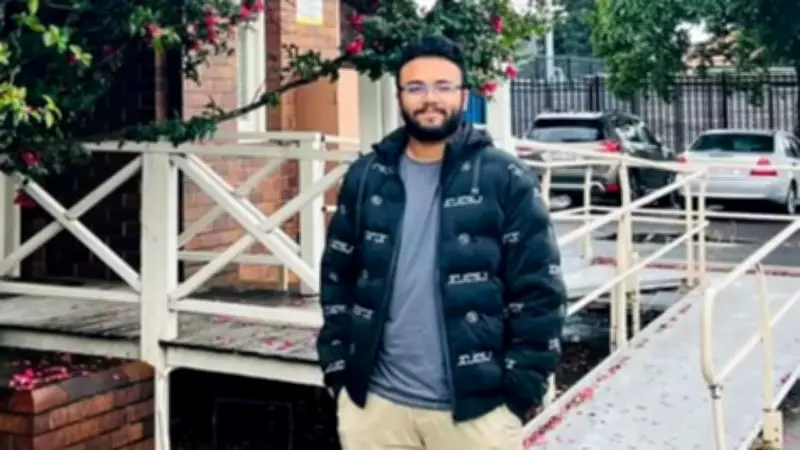
Indian-origin entrepreneur Vijay Thirumalai has ignited a fierce online debate with his emotional reaction to the tragic death of 30-year-old Indian national Sasikanth Reddy Donthireddy in the United States. Taking to social media platform X, Thirumalai paid tribute to Reddy, who reportedly suffered a fatal cardiac arrest on February 16, 2026. His post quickly gained widespread attention as he detailed Reddy's challenging immigration journey and used the tragedy to highlight what he describes as systemic flaws in the US visa system.
The Tragic Story of Sasikanth Reddy Donthireddy
In his viral post, Thirumalai outlined Reddy's difficult path: arriving in the United States in 2018 on an F-1 student visa, completing a double master's degree to maintain valid visa status, repeatedly applying for an H-1B visa through the lottery system, and remaining separated from his family for nearly eight years. A fundraiser organized to repatriate Reddy's body to India provided additional heartbreaking details about his struggles. "The repeated disappointments and visa uncertainty caused him a lot of stress, especially in the last several months," the appeal noted, adding that he worked long hours without giving up and entered the H-1B lottery multiple times without success.
Reddy reportedly complained of chest pain in the early hours of February 16 and was rushed to the hospital but could not be saved. With strong community support, the fundraiser surpassed its $50,307 target, easing the financial burden on his parents and helping them bring his body home for final rites.

Thirumalai's Blunt Critique of US Immigration Pathways
Using Reddy's tragedy as a catalyst, Thirumalai issued a stark warning to Indian parents considering sending their children to the United States for education. "Parents, please, don't send your kids to US if you are not able to buy them a green card through EB5, not worth the hassle," he wrote in his post that has since gone viral across multiple platforms.
He launched a comprehensive criticism of temporary visa pathways available to Indian students and professionals:
- F-1 Student Visa: Described as "far too restrictive" with limited employment opportunities through programs like Optional Practical Training (OPT)
- H-1B Lottery System: Characterized as having only a "1/3 ratio" chance of success despite high demand
- Green Card Backlog: Even for those who eventually secure H-1B and EB2/EB3 tracks, he argued a green card remains "100 years away" due to extensive waiting periods
Alternative Recommendations and Financial Warnings
Thirumalai offered specific financial advice to Indian families considering American education for their children. He strongly warned against taking extreme financial measures: "DO NOT mortgage your house, savings, take loans to sponsor undergraduate or postgraduate education," emphasizing that such investments are "not worth it" given the uncertain immigration outcomes.
Instead, the entrepreneur suggested a radically different approach: starting a business in India with the same financial resources. He claimed this alternative would keep both the child and family "far more happier" in the long run while avoiding the stress and uncertainty of the US immigration system.
Understanding the Visa Options
The EB-5 visa program that Thirumalai referenced offers permanent residency to qualified investors who commit $800,000 to projects in designated Targeted Employment Areas. This stands in stark contrast to the F-1 visa that Reddy held, which is a non-immigrant student visa permitting full-time study at certified US institutions with strictly limited employment opportunities.
Thirumalai, founder and CEO of Goldwater Global—a platform that claims to help Indians expand their life and businesses abroad—used his post to highlight what he sees as a broader pattern affecting numerous Indian nationals. He described how many overwork to meet visa requirements while neglecting their mental and social health, creating what he views as an unsustainable and often tragic cycle.

The viral discussion has sparked broader conversations about immigration reform, mental health pressures on international students, and the emotional toll of prolonged family separation. As the debate continues to unfold online, Reddy's story has become a poignant symbol of the human cost behind immigration statistics and policy discussions.