Denmark Firmly Rejects Trump's Proposal for Greenland Sovereignty Negotiations
In a significant diplomatic development, Denmark has unequivocally rejected a proposal from former United States President Donald Trump to negotiate sovereignty over Greenland. The Danish government has made it clear that Greenland is not for sale or negotiation, citing deep historical and constitutional ties to the autonomous territory.
Historical Context and Constitutional Framework
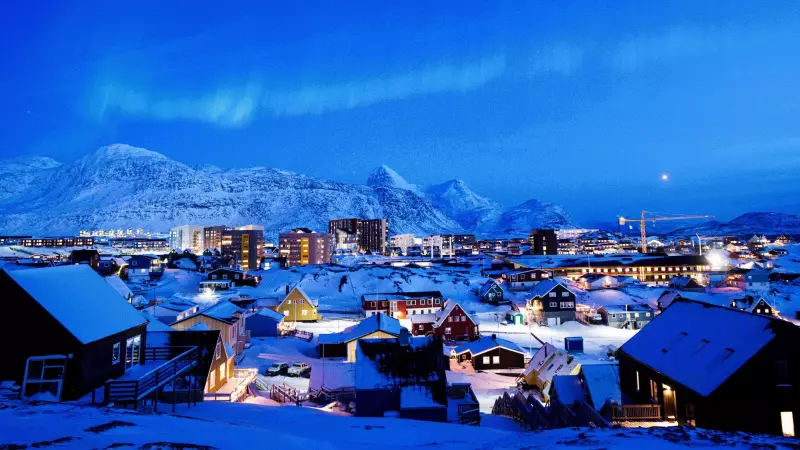
Greenland, the world's largest island, has been under Danish sovereignty since the early 18th century. It gained autonomy in 1979 and further self-governance in 2009, but Denmark retains control over foreign affairs, defense, and monetary policy. The Danish response to Trump's proposal underscores this constitutional relationship, emphasizing that any discussion of sovereignty is off the table.
The proposal, which emerged during Trump's presidency, suggested that the US could gain "total access" to Greenland through negotiations, potentially including sovereignty transfer. However, Danish officials have reiterated that Greenland's status is non-negotiable, rooted in centuries of shared history and legal agreements.

Strategic Implications in the Arctic Region
Greenland's strategic location in the Arctic has made it a focal point for global powers, including the United States, Russia, and China. The US already operates the Thule Air Base in northern Greenland, a critical site for missile defense and space surveillance. Trump's interest in sovereignty negotiations likely stemmed from desires to expand US influence and resource access in the rapidly changing Arctic, where melting ice is opening new shipping routes and mineral opportunities.
Denmark's rejection highlights the complexities of Arctic geopolitics, where sovereignty issues are tightly guarded by nations with historical claims. The Danish stance also reflects broader European concerns about maintaining stability and cooperation in the region, rather than allowing it to become a zone of contention.
Reactions and Future Outlook
The rejection has been met with support within Denmark and Greenland, where public opinion strongly favors maintaining the current autonomous relationship. Greenland's government has also affirmed its commitment to Denmark, while pursuing greater independence in areas like resource management.
- Diplomatic Fallout: The episode may strain US-Denmark relations, though both nations continue to collaborate on Arctic security and climate initiatives.
- Global Attention: This case draws attention to how sovereignty disputes are handled in an era of increasing great-power competition.
- Environmental Factors: Climate change in the Arctic adds urgency to these discussions, as nations vie for access to new resources and routes.
In summary, Denmark's firm rejection of Trump's Greenland sovereignty proposal reaffirms the territory's integral place within the Danish realm. It sets a precedent for how historical ties and constitutional frameworks can outweigh geopolitical ambitions in international negotiations.