Washington DC Airports Resume Flight Operations After Chemical Smell Incident
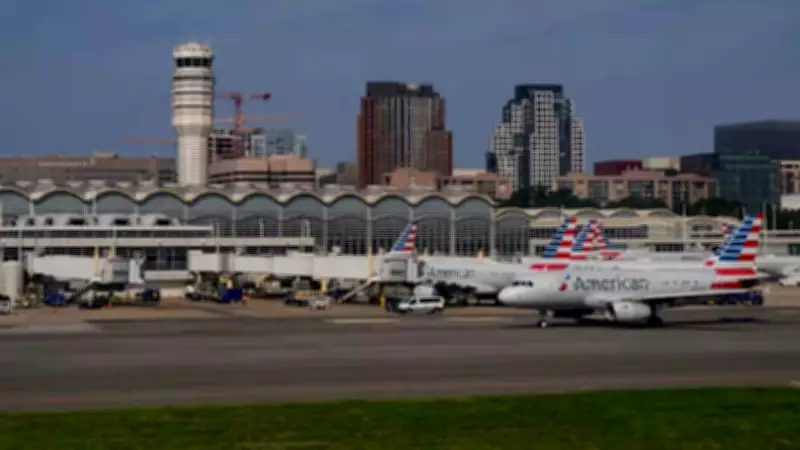
Flight operations across the Washington DC region have resumed on Friday, local time, following a temporary ground stop that was triggered by reports of a strong chemical smell at a major air traffic control facility. The incident caused significant disruptions at multiple airports, with Ronald Reagan Washington National Airport being the hardest hit.
Ground Stop Lifted After Safety Checks
Transportation Secretary Sean Duffy confirmed the development in a post on X, stating, "The ground stop is over and operations have resumed." He added that emergency teams had thoroughly checked the site and found no danger to staff. "Firefighters from Fauquier County and Prince William County confirm there is no danger to air traffic controllers," Duffy emphasized, providing reassurance about the safety of the facility.
Airports Affected by the Disruption
According to Duffy, the temporary ground stop impacted several key airports in the region. These included Ronald Reagan Washington National Airport (DCA), Washington Dulles International Airport (IAD), Baltimore-Washington International Airport (BWI), and Richmond International Airport (RIC). The problem originated at the Potomac TRACON facility, which manages airspace for much of the Washington area, after employees reported a strong chemical smell inside the building.

Extent of Flight Cancellations and Delays
CNN reported that Ronald Reagan Washington National Airport experienced the most severe effects, with more than 136 flight cancellations and approximately 300 delays. This led to widespread travel chaos for passengers, with many flights being rescheduled or canceled outright. The incident highlighted the vulnerability of air traffic systems to technical issues and environmental concerns.
Root Cause Identified and Resolved
Emergency responders and a hazardous materials team later traced the issue to a circuit board that had overheated within the facility. The faulty component was promptly replaced, allowing operations to gradually return to normal. Officials stated that flights were being restored to their regular schedules, but the Associated Press reported that flight schedules in the Washington DC area are expected to remain unstable through the weekend, indicating ongoing recovery efforts.
Broader Implications for Air Travel
This incident underscores the critical importance of maintaining robust safety protocols in air traffic control systems. The quick response by emergency teams helped prevent a more prolonged disruption, but it also raises questions about infrastructure resilience. Passengers are advised to check with their airlines for updates as the situation continues to stabilize over the coming days.