Cuba Simmers with Concern, Anger, and Hope After Trump's 'Imminent Action' Threat
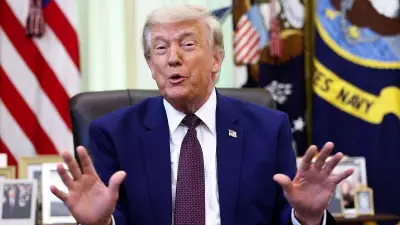
A potent mix of uncertainty, anger, and hope has gripped Cuba following recent comments by US President Donald Trump, who indicated that Washington could take "imminent action" against the island's government. This development has intensified the already strained relations between the two nations, with Trump's administration aggressively targeting Cuba more than any US government in recent history.
Devastating Impact of US Sanctions on Cuban Civilians
In a move aimed at forcing regime change, the Trump administration has effectively severed Cuba from crucial oil shipments. This blockade has had devastating effects on the very civilians that Trump and Secretary of State Marco Rubio claim they intend to assist. The consequences are dire:
- Island-wide blackouts have disrupted daily life for Cubans already struggling with years of economic crisis.
- A severe shortage of gasoline and basic resources has crippled hospitals and drastically reduced public transportation.
- Many citizens are left in a state of desperation, with soaring prices and no clear path forward.
Matilde Visoso, a 64-year-old single mother caring for a sick daughter, expressed the widespread anguish: "Cuba is waiting for Trump and Marco Rubio, because we can't wait any longer. It's too much - there is a lot of repression, there is a lot of hunger. Cuba is in tears."

Escalating Political Tensions and Government Responses
Trump has asserted that he can do "whatever he wants" with Cuba, and his administration is reportedly seeking the departure of President Miguel Diaz-Canel. According to anonymous sources familiar with the talks, the US continues to negotiate with the Cuban government while pushing for dramatic changes in its socialist economic model.
In response, Diaz-Canel lashed out at Trump's comments, posting on social media that the Trump administration "publicly threatens" Cuba's government almost daily with overthrow and warned that any act of aggression "will clash with an impregnable resistance." The Cuban government also criticized Costa Rica's decision to close its embassy in Cuba, calling it an "arbitrary decision" made under US pressure to isolate the island.
Mixed Reactions and Deep Uncertainty Among Cubans
While some, like 62-year-old doctor Jesus Garcia, doubt that the Trump administration will successfully remove Diaz-Canel or intervene directly, others are clinging to hope for change. Garcia remarked, "Americans can say whatever they want. The ones who decide what is done here in Cuba are the Cuban people."
What unites many Cubans is a profound sense of uncertainty in the face of these seismic shifts. Citizens have adapted to endemic crises over the years, but many now feel things have reached a breaking point. Maria del Carmen Companioni, 51, summarized the mood: "Really, all of this has people very alarmed and in a bad state. No one knows what is going to happen."
Limited Relief and Ongoing Struggles
Amid the turmoil, small relief has come from aid shipments by activist groups and allied governments such as Mexico. Recently, five tons of medical equipment, solar panels, and other aid arrived on the island, as reported by Cuban state television. However, these shipments are only a fraction of what is needed and do not address the broader challenges of keeping the lights on and the economy functioning.
The situation in Cuba remains volatile, with the Trump administration's pressure tactics echoing recent actions in Venezuela and Iran. As tensions simmer, Cubans are left to navigate a landscape of hope, anger, and concern, with the future hanging in the balance.