Columbia University Launches Major Initiative to Strengthen Free Expression Rights
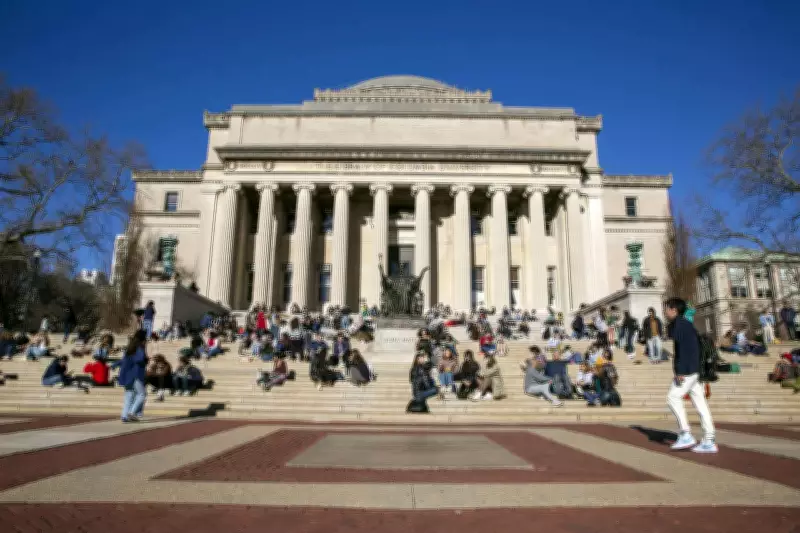
The Knight First Amendment Institute at Columbia University has unveiled a significant new research-driven initiative designed to fortify free expression protections during a period of escalating political and campus tensions. Titled "Reconstructing Free Expression," this comprehensive program aims to deepen public understanding of First Amendment safeguards and explore practical ways institutions can better uphold democratic values.
Announcement and Context of the Initiative
According to original reporting by The Columbia Spectator, the initiative was officially announced on February 11, following two years of campus protests and increased federal scrutiny that have intensified national debates about free speech rights at Columbia University. The timing reflects growing concerns about how academic institutions navigate expression in polarized environments.
Research Framework and Scholarly Collaboration
The initiative will function as a collaborative research hub, bringing together scholars from diverse disciplines including:

- Law
- Journalism
- Political science
- Other relevant academic fields
These experts will systematically examine current legislation and institutional practices related to the First Amendment. Their work will culminate in public educational events and a final report containing actionable recommendations for policymakers, university administrators, and the general public.
Katy Glenn Bass, research director at the Knight Institute, described the effort as "a long-term reconstruction project rather than a reactive response to immediate controversies." She emphasized that the goal is to develop a sustainable "blueprint for reconstruction" that strengthens freedom of expression for future generations.
Implementation Timeline and Key Participants
The initiative has already established an ambitious implementation schedule:
- The first scholarly convening occurred on February 20
- A second major meeting is planned for May
- Regular blog posts outlining scholars' ideas will be published in coming weeks
Notable Columbia faculty participating include David Pozen and Jamal Greene from the Law School, along with Michael Schudson from the Journalism School, representing a multidisciplinary approach to the challenge.
Recent Legal Context and Campus Speech Battles
The Knight Institute has been actively involved in recent legal challenges concerning campus speech, particularly around pro-Palestinian expression. In March 2025, the Institute filed a significant motion alongside the American Association of University Professors and the Middle East Studies Association to block what they characterized as an "ideological-deportation policy" targeting pro-Palestinian protesters.
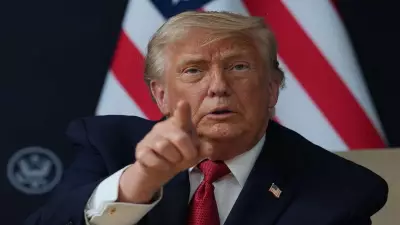
This legal action proved successful when, in September 2025, a federal judge ruled that the policy violated First Amendment protections, delivering a substantial legal setback to the Trump administration's approach to campus speech issues. The Institute pursued further judicial intervention, resulting in a January 2026 federal court order blocking the administration from deporting noncitizen students or faculty for pro-Palestinian activities.
In a public statement, the Institute accused the administration of conducting a "full-scale assault on First Amendment rights," alleging that systematic threats and legal pressure had created a campus climate characterized by fear and self-censorship.
Campus Climate Assessment and Broader Implications
Concerns about free expression at Columbia extend beyond courtroom battles. The Foundation for Individual Rights and Expression's 2026 College Free Speech Rankings placed Barnard College and Columbia University near the bottom of their list, ranking them last and second-to-last respectively among surveyed institutions.

Student journalists and campus organizers have repeatedly voiced concerns about their ability to express views freely amid increasing political polarization and administrative pressures. Bass emphasized that the new initiative is designed for a broad audience beyond legal specialists, aiming to make First Amendment protections more accessible and actionable by identifying weaknesses in:
- Existing laws
- Institutional norms
- Enforcement mechanisms
"The problem isn't always that the First Amendment failed," Bass noted. "Sometimes it's that the people who could have fought for their rights chose not to." She argued that in several recent cases, institutions might have prevailed legally if they had more actively defended their constitutional rights.
Future Prospects and Potential Impact
The coming months will determine whether the initiative's research findings and recommendations translate into concrete institutional reforms and legislative changes. As political tensions continue to influence campus environments nationwide, Columbia's "Reconstructing Free Expression" initiative represents one of the most comprehensive efforts to address free speech challenges through sustained scholarly research and practical policy recommendations.