Columbia University Student Detained in Controversial Early-Morning Immigration Operation
In a dramatic early-morning operation that sent shockwaves across the prestigious Columbia University campus, federal immigration agents employed allegedly deceptive tactics to detain a student, raising serious questions about law enforcement protocols and ethical standards. The incident, which unfolded before dawn, has ignited widespread condemnation from university officials, political leaders, and public demonstrators.
The Deceptive Entry and Detention of Elmina "Ellie" Aghayeva
According to Acting President Claire Shipman, the troubling episode began shortly after 6:00 a.m. when five agents from the United States Department of Homeland Security entered an off-campus Columbia residential building. Critically, the agents did not present a judicial warrant, which university policy requires for access to non-public spaces like housing.
Shipman revealed that the agents allegedly identified themselves as police officers searching for a missing child to gain entry into the building. Security footage reportedly captured them in the hallway showing pictures of an alleged missing minor. "They gained entry by stating they were police searching for a missing child," Shipman stated. "Once inside the apartment, it became clear they had misrepresented themselves."

A public safety officer who arrived at the scene repeatedly asked for a warrant, but none was produced. The agents did not allow time for further verification and took the student, Elmina "Ellie" Aghayeva, into custody.
University Condemnation and Protocol Breach
Acting President Claire Shipman described the situation as a "frightening and fast-moving situation" and a clear "breach of protocol." In a statement issued Thursday evening, she emphasized: "Misrepresenting identity and other facts to gain access to a residential building is a breach of protocol."
University officials later reiterated that all law enforcement agencies, including Immigration and Customs Enforcement, must have a judicial warrant or subpoena to access non-public university spaces. Shipman stressed that an administrative warrant is not sufficient for such access, highlighting the university's commitment to legal standards.
Immigration Status and Mounting Public Outrage
US Immigration and Customs Enforcement confirmed the arrest of Aghayeva, describing her as an Azerbaijani national whose student visa had allegedly been revoked in 2016 for failing to attend classes. However, the manner of her detention sparked swift and significant political and public reaction.
Hundreds of demonstrators gathered near Columbia's Morningside Heights campus, holding anti-ICE signs and protesting what they called deceptive enforcement tactics. New York Governor Kathy Hochul criticized what she termed a "rogue deportation agenda," asserting that no student should be taken from their dorm through deception.
New York City Mayor Zohran Mamdani said he raised the issue directly with President Donald Trump following a meeting at the White House, demonstrating the high-level political attention the incident attracted.
Release and Aftermath
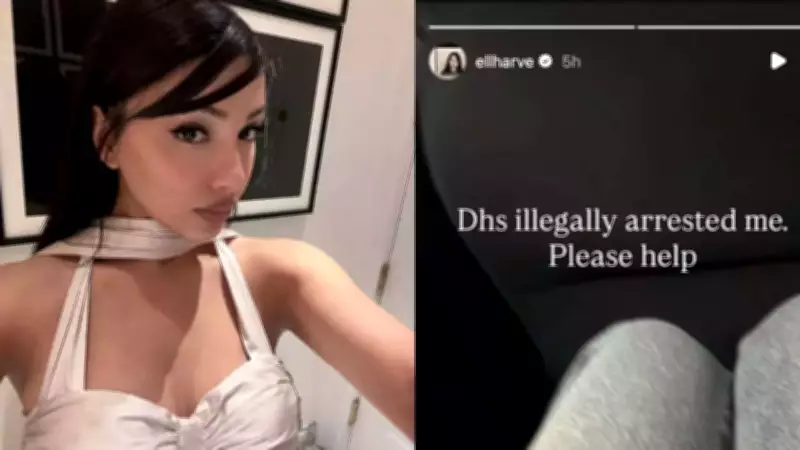
Hours after the detention, Mayor Mamdani posted on social media that he had spoken to Trump and that Aghayeva would be released "imminently." Soon after, Aghayeva confirmed in an Instagram story that she had been freed and was "on the way back home" in an Uber. She wrote: "I got out a little while ago. I am safe and okay."
Shipman expressed relief, stating: "We are all so relieved that our student, Ellie Aghayeva, has been released from federal custody." She added that the university immediately began working to secure the student's release and expressed gratitude for support from city and state leaders.
"We understand the fear and anger this situation has caused," Shipman said, noting that Columbia has shared additional guidance and resources with students, faculty, and staff in response to the incident.

Broader Implications and University Stance
In her closing remarks, Shipman emphasized that the university expects all law enforcement agencies to follow established legal and ethical standards. "All law enforcement agencies — including DHS and ICE — are obligated to follow established legal and ethical standards. And we expect those standards to be respected," she declared.
She concluded: "Our thoughts are with Ellie, her roommate, and all of the affected students and staff tonight."
The incident comes at a time of heightened tensions at Columbia University, which has faced federal scrutiny following campus protests and disputes over immigration enforcement and student activism. This event underscores ongoing debates about immigration policies, law enforcement tactics, and the protection of student rights within academic institutions.
As the university community processes this alarming event, questions remain about accountability for the alleged deceptive practices and the broader implications for trust between educational institutions and federal agencies. The case of Elmina Aghayeva serves as a stark reminder of the complex intersection between immigration enforcement and campus security protocols.