

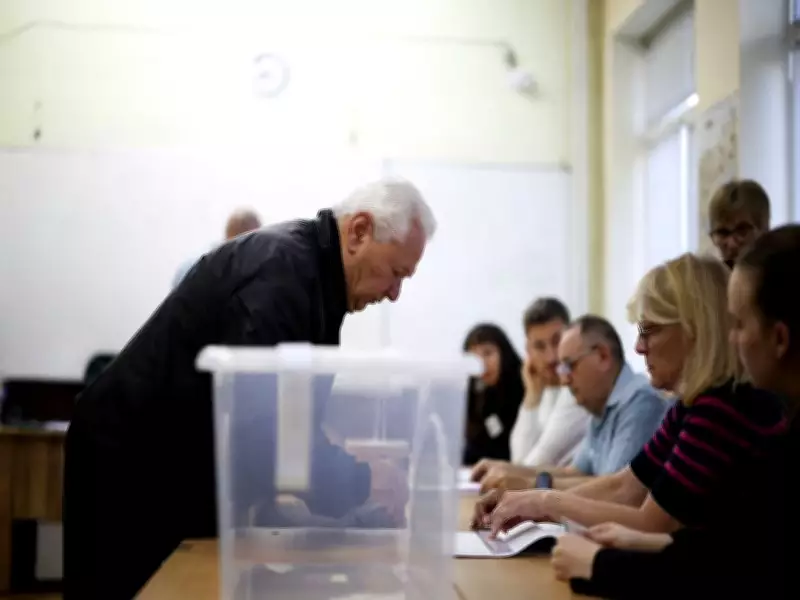
Bulgarians Head to Polls to Elect New Parliament Amid Political Turmoil
Bulgarian citizens are heading to the polls today to elect a new parliament, marking a critical moment in the country's political landscape. This election comes after a period of significant instability, with multiple governments failing to secure a lasting majority in recent years. The outcome is expected to shape Bulgaria's future direction on key issues such as economic reform, corruption, and international relations.
Background of the Election
The election is being held following the collapse of the previous government, which struggled to address pressing national concerns. Bulgaria has faced economic challenges, including inflation and slow growth, alongside ongoing debates over judicial reforms and anti-corruption measures. Political analysts note that voter turnout and the distribution of seats among parties will be crucial in determining whether a stable coalition can be formed.
Key Political Parties and Candidates
Several major parties are competing in this election, each presenting distinct platforms. The center-right GERB party, led by former Prime Minister Boyko Borisov, is seeking a return to power, while the pro-Western We Continue the Change party aims to push for modernization and EU integration. Other significant contenders include the Socialist Party and various smaller groups advocating for nationalist or reformist agendas. The campaign has been marked by intense debates over economic policies and Bulgaria's role in the European Union.

Challenges and Expectations
Voters are expressing concerns about corruption, economic stability, and social welfare, with many hoping for a government that can deliver tangible improvements. The election is seen as a test of Bulgaria's democratic resilience, as the country grapples with internal divisions and external pressures. International observers are monitoring the process closely, emphasizing the importance of free and fair elections in the region.
Potential Outcomes and Implications
If no single party secures a majority, coalition negotiations are likely to follow, which could prolong political uncertainty. A successful government formation would be essential for advancing legislative priorities and restoring public trust. The results will also impact Bulgaria's foreign policy, particularly its stance on issues like energy security and relations with neighboring countries. As polls close, the nation awaits the results that will define its political trajectory for the coming years.






