In a dramatic escalation of the debate over wealth taxation in the United States, a prominent lawyer representing some of the world's richest tech moguls has issued a stark warning to California's leadership. Alex Spiro, an attorney known for representing figures like Elon Musk, has sent a formal letter to California Governor Gavin Newsom, cautioning that the proposed 'Billionaire Tax Act' will trigger a catastrophic flight of capital and talent from the state.
The Ultimatum: Relocate or Face Confiscation
The core of the conflict is a citizen-led initiative known as the Billionaire Tax Act. This proposal mandates a one-time 5% tax on the total net worth of individuals residing in California with assets exceeding $1 billion. If the initiative garners enough signatures, it will be placed on the ballot for the November 2026 election. Spiro's letter, acting on behalf of his affluent clients, states unequivocally that subjection to this tax would force them to leave California permanently. He describes this potential outcome not as a threat but as an inevitable 'exodus of capital and innovation.'
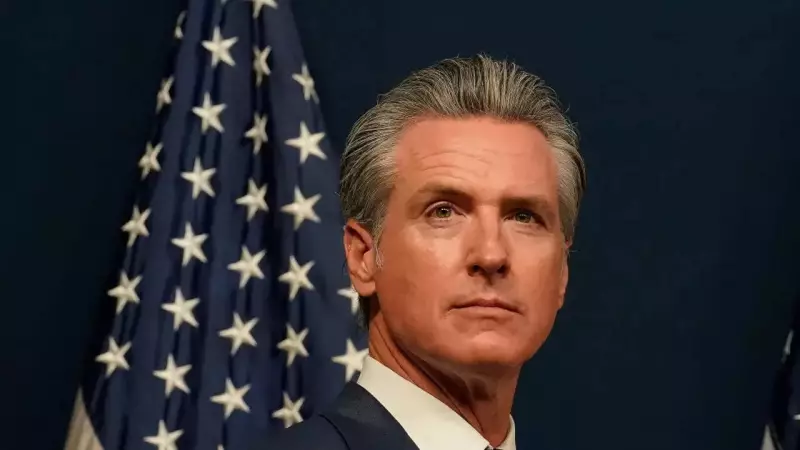
This legal warning arrives just days after Governor Newsom publicly expressed his opposition to the wealth tax, vowing to 'fight' it. The attorney's letter amplifies concerns already voiced by tech luminaries. Palmer Luckey, founder of Oculus, recently criticized the measure on social media platform X. Reports also suggest that venture capitalist Peter Thiel and Google co-founder Larry Page have explored options to move out of California, underscoring the widespread anxiety within the billionaire community.

Legal and Constitutional Challenges Outlined
Spiro's letter lays out a multi-pronged argument against the Act's validity, focusing heavily on its alleged unconstitutionality. The primary contention is that the tax constitutes an 'uncompensated confiscation of property,' especially since it targets illiquid assets that generate no immediate income. The letter cites Supreme Court precedent, arguing the government cannot force a small group to bear public burdens that should be shared by all.
A particularly contentious point is the Act's retroactive application to individuals who move out of California before the November 2026 election. Spiro argues that taxing former residents who left before the law was enacted is 'harsh and oppressive,' a standard the Supreme Court has used to strike down retroactive taxes. Furthermore, he emphasizes the 'unprecedented novelty' of a state-level wealth tax, suggesting the current conservative-leaning Supreme Court would scrutinize it intensely due to its lack of historical precedent in American law.
Economic Fallout and the Threat of 'Destructive Sales'
Beyond legal arguments, the letter paints a dire picture of the Act's economic consequences. The first and most emphasized risk is the permanent relocation of the state's wealthiest and most economically productive residents. Spiro warns that California would trade a one-time revenue windfall for the sustained loss of annual income taxes, capital gains taxes, and property taxes. The departure of these individuals would also mean losing their businesses, job creation, and philanthropic activities.
The second major economic problem highlighted is the potential for 'destructive asset sales.' To pay a 5% levy on total net worth, billionaires would be forced to liquidate massive holdings in businesses, venture funds, and real estate. Such coordinated, large-scale sales could depress asset values and create market instability, ultimately harming ordinary investors whose pension and retirement funds are invested in these same assets.
The letter concludes with a firm stance: Spiro's clients are prepared to mount a vigorous and protracted constitutional challenge if the measure advances. However, they express a preference to resolve the issue politically, urging Governor Newsom to actively oppose the initiative's qualification for the ballot and its passage. The underlying message is clear—the billionaires wish to stay, but not under what they deem an unconstitutional wealth confiscation.