Batman Makes Dramatic Appearance at Santa Clara City Council Meeting Over ICE Super Bowl Concerns
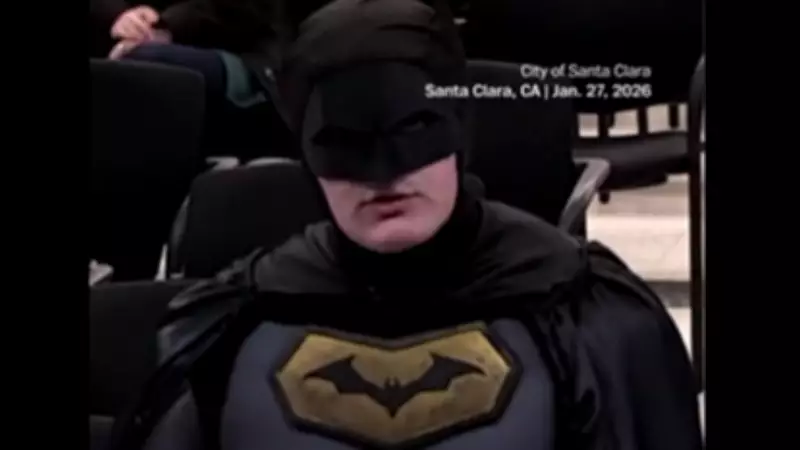
In a scene reminiscent of a comic book, rising public tensions and official scrutiny took a theatrical turn when Batman, the iconic protector of Gotham City, appeared unexpectedly—not at a crime scene, but at a government podium. A man dressed as the caped crusader interrupted a California city council meeting to publicly confront officials over fears that US Immigration and Customs Enforcement (ICE) officers might be allowed to patrol the upcoming Super Bowl.
Fiery Confrontation During Public Comments
The unusual moment unfolded during the public comments section of Santa Clara city’s council meeting on January 27. The caped crusader walked to the microphone and delivered a passionate warning about federal immigration enforcement tied to the February championship game. He opened with a loud “Ker-pow!” and slammed his fist into the lectern before demanding: “What... are we doing here?”
Referring to the Super Bowl matchup between the New England Patriots and the Seattle Seahawks scheduled for February 8, he said, “You have had months to prepare for this upcoming event. People are dying on our streets every single day in this country because we allow this federal government to walk all over you.” He went on to urge city leaders directly: “You need to affirm that no city resources will go to ICE, that no cooperation will be given to them.”

The speaker’s real identity was not disclosed, but he was listed simply as “Batman” on the timer tracking his speaking slot, adding a layer of mystery to the protest.
How ICE Became Part of the Super Bowl Debate
Questions around ICE’s potential involvement in Super Bowl security first gained traction after comments from Corey Lewandowski, an adviser at the Department of Homeland Security. In September 2025, he criticized the choice of Puerto Rican superstar Bad Bunny, a US citizen, as the halftime performer, saying, “It is so shameful that they have decided to pick somebody who just seems to hate America so much.” He added, “There is nowhere that you can provide safe haven to people in this country illegally. Not the Super Bowl and nowhere else.”
Federal agencies typically coordinate with state and local authorities at large sporting events to address security risks, including human trafficking and other crimes. However, the idea that ICE agents might actively detain individuals at the Super Bowl, which draws roughly 60,000 attendees, was widely described as unprecedented. San Jose Mayor Matt Mahan told local news station KTVU days earlier: “We have heard from the administration that they intend to have ICE at the Super Bowl. I don’t know how much of that is rhetoric.”
Tickets for the event start at around US$6,000, placing them far beyond the reach of most undocumented workers, who are often employed in lower-paying jobs, raising questions about the practicality of such enforcement.
DHS Reverses Course After Backlash
Reports later indicated that ICE agents would not be deployed at Super Bowl LX at Levi’s Stadium. According to TMZ, Department of Homeland Security insiders said ICE activity at NFL-sponsored events across the city had been ruled out. This reported shift marked a reversal from DHS’s earlier posture that agents would be present for the game. The change came as polling showed ICE operations facing broad public opposition.
The broader debate arrives during heightened scrutiny of federal immigration enforcement after two protesters in Minneapolis were shot dead by federal agents in January during operations involving ICE and Border Patrol. One of the victims, ICU nurse Alex Pretti, 37, was fatally shot during an encounter with federal agents. His death followed the killing of Renee Good, also 37, on January 7.
The Super Bowl, which became the most-watched television event in US history last year with 137.7 million viewers, now takes place against a backdrop of declining public confidence in ICE. Recent polling shows that more than half of Americans say they have “very little” or no trust in the agency, underscoring the deep divisions and tensions highlighted by Batman’s dramatic protest.