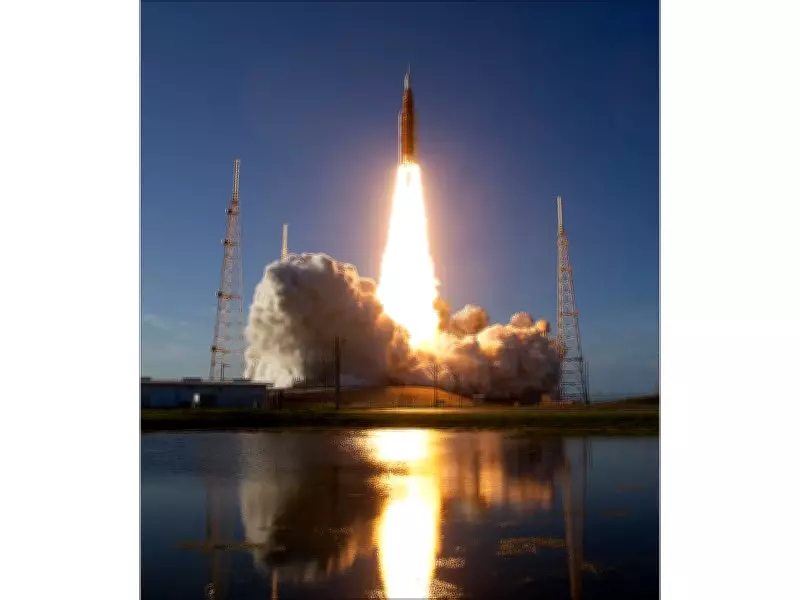
Artemis II Crew Achieves Milestone, Exits Earth Orbit on Path to Moon
In a groundbreaking development for space exploration, the crew of NASA's Artemis II mission has successfully cleared Earth's orbit, embarking on a historic journey toward the Moon. This achievement marks a significant step in humanity's renewed efforts to explore lunar frontiers and advance deep space capabilities.
Historic Mission Progress and Objectives
The Artemis II mission, part of NASA's ambitious Artemis program, aims to test critical systems and procedures for future crewed lunar landings. By exiting Earth's orbit, the crew is now on a trajectory that will take them farther into space than any human has traveled in decades, setting the stage for unprecedented exploration.
Key milestones of the mission include:

- Validating the Orion spacecraft's performance in deep space environments.
- Testing life support and communication systems essential for long-duration missions.
- Gathering data to support the planned Artemis III lunar landing.
Implications for Future Space Exploration
This successful orbit clearance demonstrates NASA's progress in reviving crewed missions beyond low Earth orbit. It underscores the agency's commitment to establishing a sustainable human presence on the Moon, which could serve as a stepping stone for future missions to Mars and beyond.
The Artemis II crew's journey represents a pivotal moment in space history, echoing the pioneering spirit of past lunar missions while leveraging modern technology for new discoveries.
As the mission continues, global attention remains focused on its outcomes, which are expected to influence international space collaboration and inspire a new generation of explorers. The data collected will be crucial for ensuring the safety and success of upcoming Artemis missions, reinforcing the United States' leadership in space exploration.