Albania Gripped by Political Turmoil as Violent Protests Rock Capital
Albania, a key NATO member nation in Southeast Europe, has plunged into a severe political crisis following massive and violent anti-government demonstrations in its capital city, Tirana. Thousands of enraged protesters took to the streets, demanding the immediate resignation of Prime Minister Edi Rama, leading to chaotic clashes with security forces.
Explosive Clashes and Police Response at Government Buildings
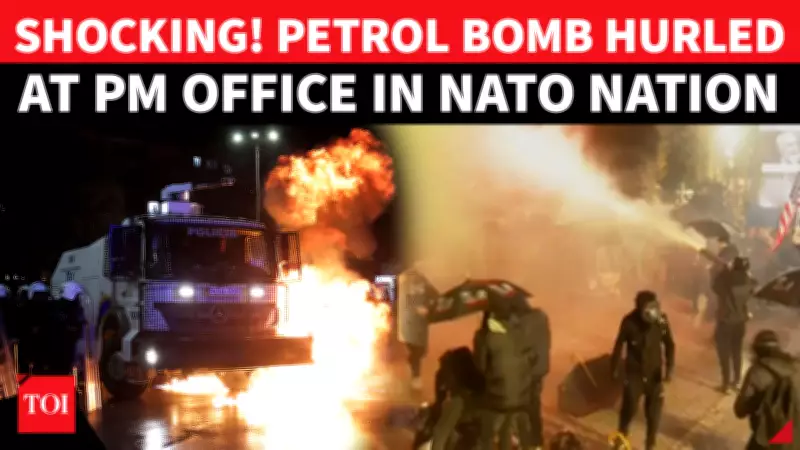
The protests turned intensely violent as supporters of the opposition Democratic Party of Albania engaged in fierce confrontations with heavily armed riot police units. Demonstrators aggressively hurled petrol bombs and launched powerful fireworks directly toward critical government buildings, including the Prime Minister's Office complex.
In response, Albanian authorities deployed substantial security measures, firing multiple volleys of tear gas canisters and utilizing high-pressure water cannons to disperse the swelling crowds. The confrontations created scenes of chaos and tension throughout central Tirana, with explosions echoing and smoke billowing across the political district.

Corruption Allegations Trigger Political Firestorm
The explosive protests were directly triggered by serious corruption allegations involving Deputy Prime Minister Belinda Balluku, who holds the crucial Infrastructure and Energy portfolio. Balluku faces accusations of improperly interfering in public infrastructure tender processes, allegations she has firmly and publicly denied.
Prime Minister Edi Rama has defiantly refused to dismiss his deputy, stating he maintains full confidence in her leadership. This unwavering stance has dramatically intensified the ongoing political crisis, fueling public anger and opposition demands for accountability and transparency in government operations.
Broader Implications for Albania and NATO Stability
The violent unrest raises significant concerns about political stability within Albania, a nation that has been a NATO member since 2009 and maintains aspirations for European Union membership. The sustained protests highlight deep-seated public frustration with perceived corruption and governance issues.
As the situation continues to develop, international observers are closely monitoring whether the Albanian government will implement confidence-building measures or whether the opposition will escalate their protest actions further. The coming days will prove critical for Albania's political trajectory and its standing within the Western alliance framework.