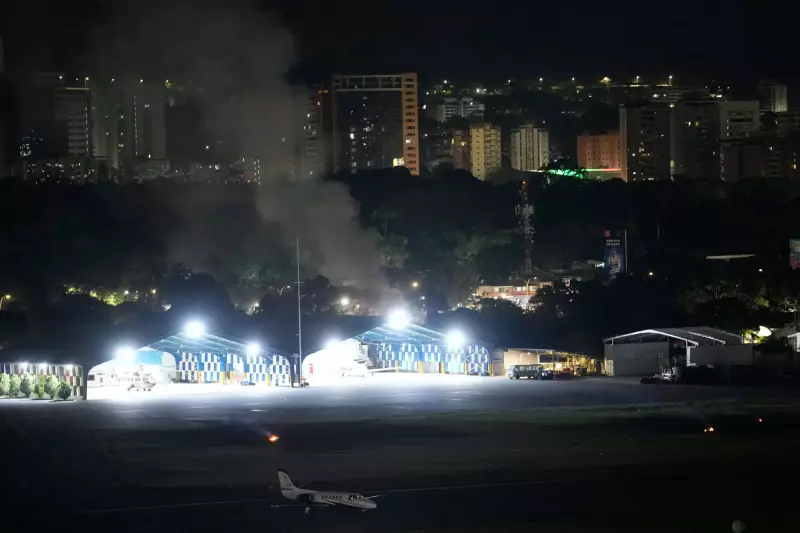
In a dramatic military operation that has reshaped the political landscape of Venezuela, United States forces conducted a raid over the weekend that resulted in the capture of Venezuelan President Nicolás Maduro and the deaths of at least 55 military and security personnel from Venezuela and Cuba. Official tolls released by the governments in Caracas and Havana on Tuesday confirmed the heavy human cost of the assault.
High Casualty Toll in Caracas Operation
Venezuela’s military, for the first time, confirmed that 23 of its service members were killed during the US attacks on Saturday. Authorities have not yet provided an official figure for civilian casualties from the operation. In a separate statement, Cuba disclosed that 32 members of its armed forces and interior ministry security personnel, who were deployed in the Venezuelan capital, also lost their lives.
The Cuban casualties, whose ages ranged from 26 to 67, included high-ranking officers such as two colonels and one lieutenant colonel. Venezuelan Defence Minister Vladimir Padrino López indicated that many of the Cuban personnel killed were likely part of President Maduro's personal security detail, which was largely wiped out during the assault.

From Bombing Raids to Courtroom Appearance
The operation commenced with targeted bombing raids on military installations, followed by US special forces landing via helicopter to seize Maduro and his wife, Cilia Flores, from a secure compound. The couple was subsequently flown to New York, where they appeared in court on Monday. Both pleaded not guilty to charges including drug trafficking.
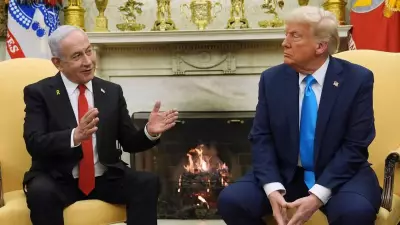
The legal proceedings have drawn international attention, with Mexican President Claudia Sheinbaum urging Washington on Tuesday to ensure Maduro receives a "fair trial." Meanwhile, US President Donald Trump described the ousted leader as a "violent guy" who "killed millions of people," making unverified claims about a torture chamber in Caracas.
Political Aftermath and Mounting Challenges
Within hours of Maduro's court appearance, his former deputy, Delcy Rodríguez, was sworn in as the interim president. President Trump stated he was willing to work with Rodríguez, conditional on her meeting US demands for access to Venezuela's vast oil reserves.
Rodríguez now faces the immense challenge of balancing US pressure with maintaining support from Maduro loyalists within the powerful security establishment. She has moved quickly to project unity, retaining hardliners like Interior Minister Diosdado Cabello and Defence Minister Padrino López in their posts.
However, concerns over political repression persist. A journalists’ union reported that 14 journalists and media workers, predominantly from foreign outlets, were detained while covering Rodríguez’s inauguration at parliament on Monday. Two other foreign journalists were held near the Colombian border. All were later released.
Opposition leader María Corina Machado, in an interview with Fox News, strongly criticised the new interim president. Machado labelled Rodríguez as a main architect of "torture, persecution, corruption, narcotrafficking" and a key liaison for adversarial nations like Russia, China, and Iran.
Looking ahead, Venezuela's constitution mandates that elections must be held within 30 days once Maduro is formally declared absent. Machado expressed supreme confidence in such a vote, claiming she would win over 90% in free and fair elections. She pledged to transform Venezuela into the "energy hub of the Americas," dismantle criminal structures, and facilitate the return of millions of Venezuelan refugees.