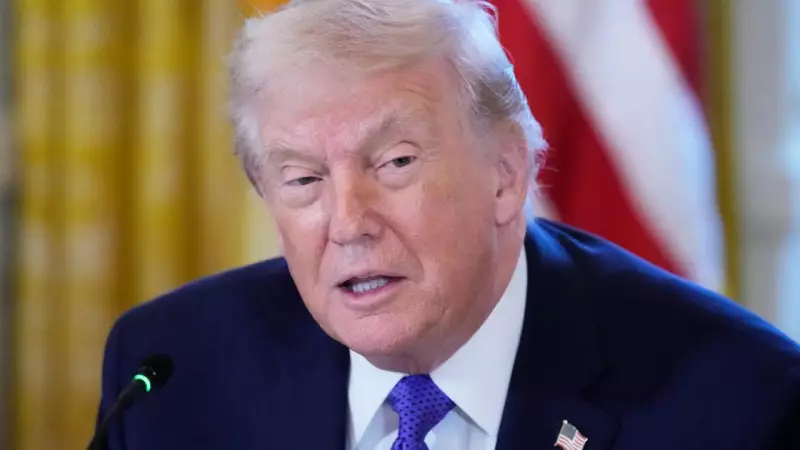
The recent decision by the United States to withdraw from a significant number of international bodies has triggered widespread concern and criticism from the global community. The move, which involves exiting 66 international entities including 31 United Nations bodies, is seen as a major step back from multilateral cooperation, particularly on pressing global issues like climate change.
Global Leaders and Experts Voice Disappointment
UN Secretary-General António Guterres has formally expressed regret over the US announcement. His spokesperson emphasized the legal obligations of all Member States, including the US, to contribute to the UN's regular and peacekeeping budgets, noting that official notification beyond the initial memorandum had not been received.
The list of exiting entities includes cornerstone institutions for environmental and climate action: the UN Framework Convention on Climate Change (UNFCCC), the Intergovernmental Panel on Climate Change (IPCC), the International Solar Alliance (ISA), the International Renewable Energy Agency (IRENA), and the Green Climate Fund (GCF).

Simon Stiell, Executive Secretary of the UNFCCC, issued a stark warning, calling the decision "a colossal own goal." He stated that stepping back from global leadership and climate science as wildfires and storms worsen will ultimately harm the US economy, jobs, and living standards, leaving the nation less secure and prosperous.
A Gift to Rivals and Polluters, Say Critics
Prominent US figures also criticized the move. John Kerry, former US Secretary of State and Special Presidential Envoy for Climate, labeled the withdrawal a "gift to China" and a "get out of jail free card" for polluters seeking to evade responsibility. He noted that while the attitude was unsurprising, the consequences were significant.
This sentiment was echoed by several policy experts. Rachel Cleetus of the Union of Concerned Scientists, Frances Colón from the Center for American Progress, and David Waskow of the World Resources Institute all registered their disappointment, highlighting the setback for international climate policy.
The Unchanged Science and the Cost of Absence
Scientific bodies like the IPCC and the Intergovernmental Science-Policy Platform on Biodiversity and Ecosystem Services (IPBES) responded by underscoring that their success does not depend on any single nation. Jim Skea, IPCC Chair, confirmed that work on the current assessment cycle reports continues by consensus, with focus remaining on delivery.
David Oboura, Chair of IPBES, acknowledged a government's prerogative to withdraw but stressed that such a move "does not change the science or the relevance of that science" to people worldwide.
Rutgers Professor Pamela McElwee, a veteran of both IPCC and IPBES processes, challenged the notion that these science-advisory bodies are contrary to US interests. She argued that solving cross-border problems like pollution and climate change is crucial for US prosperity, citing the successful Montreal Protocol as an example where global cooperation led to US innovation and market gains.
The US academic alliance for the IPCC (USAA-IPCC) clarified that US-based experts will continue their roles as authors and reviewers. However, they pointed out a critical consequence: by leaving, the US forfeits its seat at the negotiation table. This means US diplomats will have no formal input into future reports, such as the IPCC's Seventh Assessment (AR7), potentially sidelining its priorities in global climate science and policy.