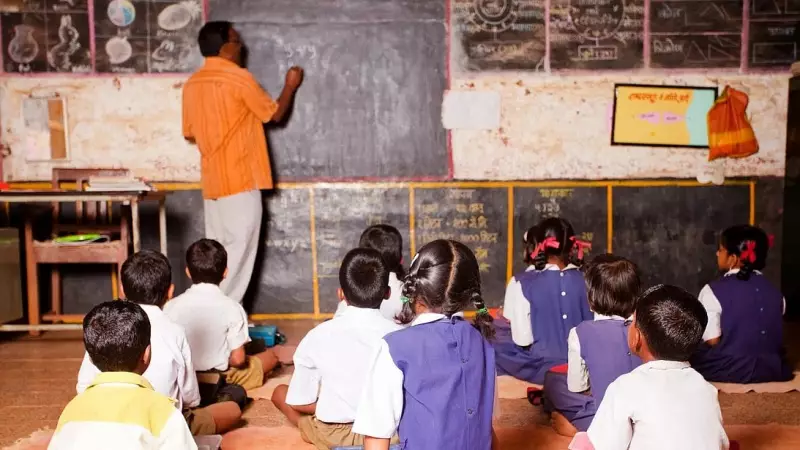
While India has demonstrated significant progress in reducing poverty rates, a new UNICEF report highlights an alarming reality that demands immediate attention to child-centered policies across the nation.
India's Poverty Reduction Success Story
The United Nations Children's Fund has acknowledged India's remarkable achievement in showing a sharp decline in poverty levels, marking a positive trend in the country's development trajectory. This progress comes as the organization released comprehensive findings on November 20, 2025, urging governments to prioritize children in their policy frameworks.
The report, which examines global child welfare patterns, recognizes India's efforts in economic advancement while emphasizing that statistical improvements in overall poverty metrics don't necessarily translate to adequate living conditions for the youngest citizens.

The Hidden Crisis of Child Deprivation
Beneath the surface of declining poverty numbers lies a disturbing truth about childhood conditions in low and middle-income countries. According to UNICEF's analysis, more than one in five children across developing nations experience severe deprivation in at least two critical areas essential for their health, development, and overall well-being.
This multidimensional deprivation extends beyond mere financial poverty, encompassing vital aspects such as:
- Access to quality healthcare services
- Nutritional adequacy and food security
- Educational opportunities and learning resources
- Safe living environments and sanitation
- Protection from violence and exploitation
The report indicates that children facing multiple deprivations simultaneously are at significantly higher risk of long-term developmental challenges that can persist throughout their lives.
Call for Child-Centered Policy Reformation
UNICEF has issued a strong recommendation for child-centred policies that specifically address the complex needs of young citizens. The organization emphasizes that economic progress must be measured not just by macroeconomic indicators but by the well-being of the most vulnerable population segments.
The November 20, 2025 report serves as a crucial reminder that poverty reduction strategies must incorporate targeted interventions for children, who often bear the heaviest burden of economic disparities. As India continues its development journey, integrating child welfare into mainstream policy planning becomes increasingly vital for sustainable and equitable growth.
Experts suggest that addressing multiple deprivation areas simultaneously requires coordinated efforts across various sectors, including health, education, social welfare, and economic development. The call to action emphasizes that investing in children today represents the most strategic approach to building a prosperous future for the entire nation.