

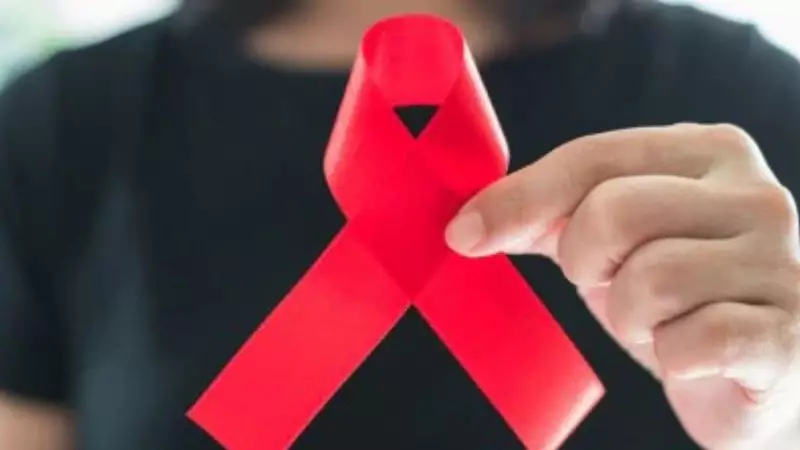
The global ambition to end AIDS as a public health threat by 2030 faces a severe and unexpected crisis. A recent decision by the United Nations to wind up its specialised joint programme on HIV/AIDS, known as UNAIDS, by 2026 has sent shockwaves through the international health community. This move, described as a "bolt from the blue," risks derailing decades of progress just five years shy of the finish line.
A Sudden Decision with Far-Reaching Consequences
The recommendation to "sunset" UNAIDS originates from the UN80 initiative. This development follows a worrying pattern, including the radical curtailment of the World Health Organization's (WHO) establishment and the winding down of major bilateral efforts like USAID's AIDS programmes and reduced funding for PEPFAR (the President's Emergency Plan for AIDS Relief). However, experts argue that the complete dissolution of UNAIDS and its merger into the WHO is uniquely consequential. Established in 1994/95, UNAIDS has been the central coordinating and advocacy body, credited with accelerating the global fight against the pandemic.
Its role was pivotal in securing critical commitments at forums like the 2000 UN General Assembly Special Session on HIV/AIDS. More importantly, UNAIDS became a global rallying point for communities disproportionately impacted by HIV, using soft diplomacy to help them form organisations, advocate for their rights, and push governments for robust prevention and treatment programmes. This model is widely seen as transforming the AIDS response into the most successful public health programme for controlling a communicable disease in history, leading to the UN's adoption of ending AIDS by 2030 as a Sustainable Development Goal (SDG).

Confusion, Skepticism, and Questions of Relevance
The logic behind dismantling such a successful programme so close to its target deadline is being widely questioned. A major point of contention is the lack of open and transparent communication with civil society and the communities most affected by HIV regarding the reasons for this radical step. This has sown considerable confusion about what will happen after 2026 and how community needs will be addressed.
There is also deep skepticism about whether the WHO, in its currently weakened state, can effectively absorb UNAIDS's mandate. Concerns are high that the WHO may not operate with the same level of openness, inclusivity, and community-responsive approach that defined UNAIDS's work. Beyond funding crises, some analysts suggest UNAIDS may have contributed to its own perceived irrelevance by straying from its core HIV focus into broader social-sector issues like general inequality and women's and children's concerns—areas already covered by other UN agencies like UNICEF and UNFPA.
A Call for a Strategic Rethink, Not a Punitive End
Critics, including former UNAIDS regional director and ex-Indian health secretary J V Prasada Rao, argue that the solution is not to "punish" the organisation but to find a less harmful alternative. They propose a bifurcated approach: the biomedical aspects of the response, such as technical support for Antiretroviral Therapy (ART) and Prevention of Mother-to-Child Transmission (PMTCT), could logically be handled by the WHO.
However, the crucial prevention and community advocacy agenda requires a different home. Experts suggest this should be managed by a smaller, focused unit directly under the United Nations Secretary-General's (UNSG) office. Only the UNSG's office, they argue, has the convening power and authority to instill confidence and provide space for communities to continue pressuring national governments to maintain momentum on HIV prevention.
The cliché that the global AIDS response is at a crossroads no longer applies. With the winding up of UNAIDS, the defunding of key initiatives, and now this merger, all roads seem to be closing, posing an existential threat to the programme. The urgent need of the hour is not a donor-influenced, hasty decision but a practical and well-thought-out strategy to safeguard the gains of the past 30 years and achieve the promised 2030 goal.






