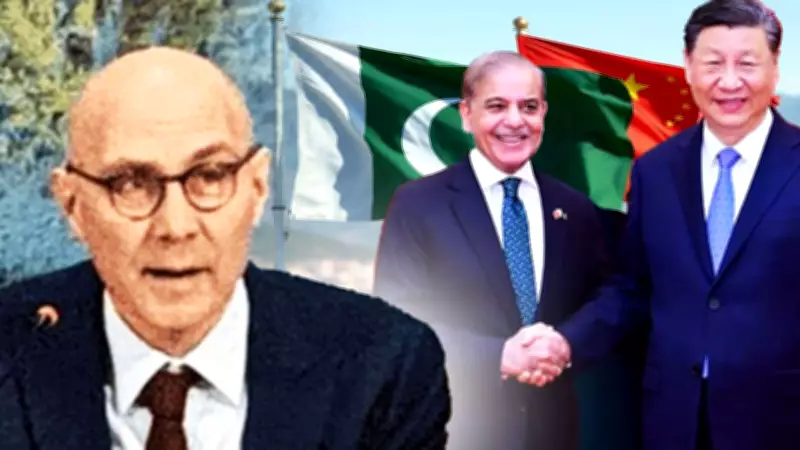
UN Human Rights Chief Praises India's Democratic Framework
In a significant global update, UN Human Rights Chief Volker Türk has highlighted India's strong civil society and democratic resilience, emphasizing its crucial role in defending fundamental rights and protecting minorities. His statement, based on observations from a recent visit to India, praised the country's civic space as a foundational pillar of its vibrant democracy.
Contrasting Messages on Regional Human Rights
While lauding India, Türk directed criticism at neighboring nations with concerning human rights records. He specifically condemned Pakistan for imprisoning human rights lawyers and defenders merely for expressing their views, calling for their immediate release. Simultaneously, he urged China to halt the suppression of minority groups under vague national security laws, pointing to systemic abuses that undermine international human rights standards.
International Implications and Diplomatic Nuances
This contrasting messaging positions India favorably on the global stage, showcasing its commitment to civil liberties and the rule of law. At the same time, it exerts diplomatic pressure on Pakistan and China to address their human rights shortcomings. Türk's nuanced stance underscores the ongoing challenges in balancing regional geopolitics with universal human rights principles, particularly amid escalating global tensions.

- India's civil society is recognized as robust and essential for democratic health.
- Pakistan faces criticism for targeting human rights advocates through imprisonment.
- China is urged to stop minority suppression under ambiguous security laws.
- The UN emphasizes the importance of rule of law in addressing regional conflicts.
The UN Human Rights Chief's statements reflect a broader strategy to promote accountability while acknowledging positive developments. By spotlighting India's democratic strengths alongside abuses in Pakistan and China, Türk aims to foster a dialogue on human rights that transcends political boundaries, reinforcing the UN's role as a guardian of global civil liberties.