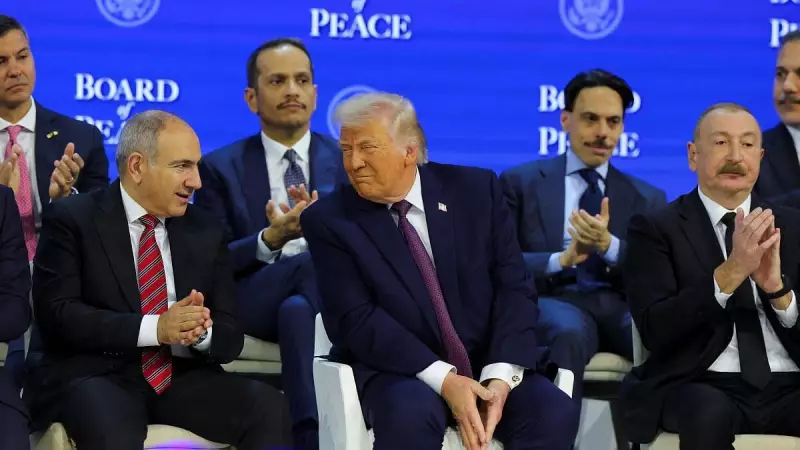
In a significant diplomatic development, former United States President Donald Trump has formally ratified the Charter of the Board of Peace, establishing it as an official international organization. The ceremony took place in Davos, Switzerland, on the margins of the prestigious World Economic Forum, marking a notable moment in global governance initiatives.
Trump's Vision for International Collaboration
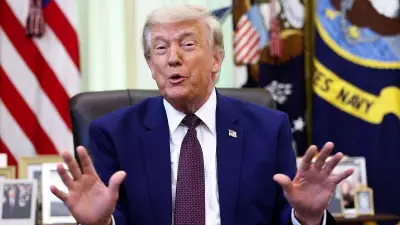
During the proceedings, Donald Trump emphasized the potential for constructive partnership between the newly formed Board of Peace and the United Nations. "I have always said the UN has great potential, and working with the Board of Peace will be good for it," Trump stated, highlighting his belief in synergistic international efforts. This endorsement underscores a strategic approach to enhancing multilateral cooperation through new institutional frameworks.
Establishment of the Board of Peace
The ratification of the charter represents a formal step in institutionalizing the Board of Peace, which aims to promote global stability and conflict resolution. By becoming an official international organization, it gains legitimacy and a structured platform to engage with existing bodies like the UN. The move is seen as part of broader efforts to diversify and strengthen international peacekeeping mechanisms.

Context of the Davos Ceremony
The event was held in Davos, a hub for global economic and political discourse, during the World Economic Forum. This setting provided a high-profile backdrop for the announcement, attracting attention from international delegates and media. The timing and location suggest a deliberate effort to integrate the Board of Peace into mainstream global discussions on peace and security.
Implications for Global Governance
The establishment of the Board of Peace could have far-reaching implications for how international conflicts are addressed. With Trump's backing, the organization may seek to complement or influence UN activities, potentially leading to:
- Enhanced coordination on peace initiatives between multiple international bodies.
- New avenues for diplomatic engagement in regions with ongoing tensions.
- Increased scrutiny and debate over the effectiveness of existing peacekeeping structures.
As the Board of Peace begins its operations, observers will be watching closely to see how it collaborates with the UN and other stakeholders. Trump's involvement adds a layer of political weight, given his previous tenure as US president and ongoing influence in global affairs.
This development comes amid evolving dynamics in international relations, where new organizations often emerge to address perceived gaps in global governance. The success of the Board of Peace will likely depend on its ability to foster tangible outcomes and gain widespread acceptance among the international community.