

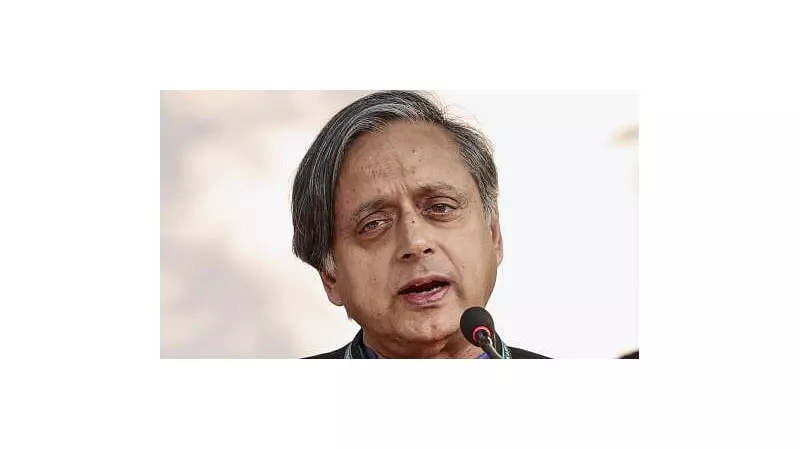
Senior Congress leader and Member of Parliament Shashi Tharoor has made a strong case for the continued relevance of the United Nations, even while acknowledging the organization's significant failures in addressing conflicts in Gaza and Ukraine.
UN's Enduring Importance Amidst Global Crises
In his recent statement dated 21 November 2025, Tharoor emphasized that despite visible shortcomings in handling two of the most pressing international conflicts, the UN maintains its indispensable role in global governance. The former UN under-secretary-general pointed to the organization's fundamental importance in maintaining international peace and security.
Shashi Tharoor, who brings substantial diplomatic experience to his assessment, argued that the world body's failures in specific situations should not undermine its overall value to the international community. His comments come at a time when the UN faces mounting criticism for its handling of the ongoing Gaza conflict and the war in Ukraine.

Urgent Need for Structural Reforms
The Congress MP highlighted two critical areas requiring immediate attention: making the United Nations more representative of contemporary global realities and enhancing its responsiveness to emerging crises. Tharoor's analysis suggests that the organization's current structure reflects outdated power dynamics that no longer align with 21st-century geopolitical realities.
Tharoor specifically called for reforms that would make the UN Security Council more inclusive, reflecting the growing influence of countries like India. His position reinforces India's longstanding demand for a permanent seat on the Security Council, arguing that the current composition fails to adequately represent the Global South.
Balancing Criticism with Support
While acknowledging the UN's limitations in conflict resolution, Tharoor maintained that no alternative global forum exists that can effectively address international disputes and humanitarian crises. His balanced approach recognizes the organization's flaws while asserting its continued necessity in an increasingly interconnected world.
The timing of Tharoor's statement is significant, coming amid increased scrutiny of international institutions' effectiveness. His perspective carries weight given his extensive experience within the UN system and his current role as an opposition parliamentarian in India.
Tharoor's comments add to the growing global conversation about reforming international institutions to better address contemporary challenges. His stance represents a middle ground between those calling for the UN's complete overhaul and others who defend the status quo.






