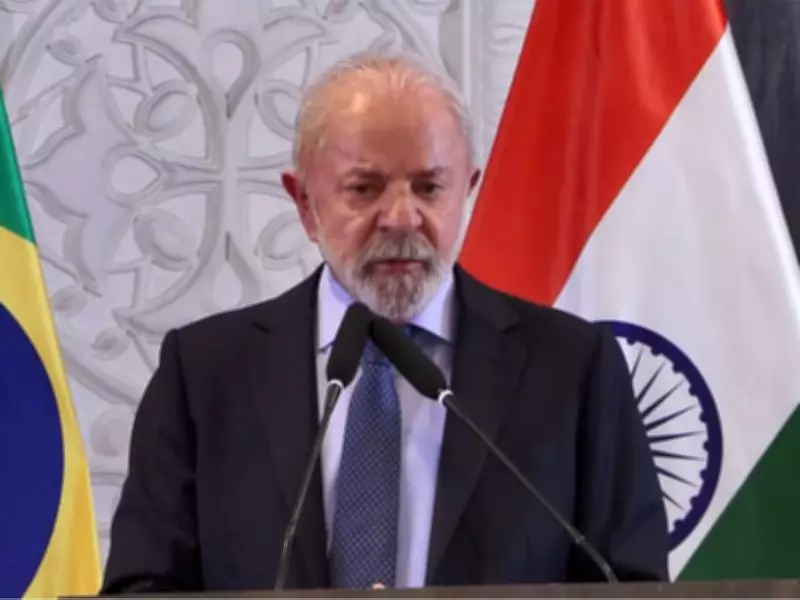
Brazilian Leader Lula Issues Stark Warning Over UN Security Council Paralysis
In a powerful address that resonated across diplomatic circles, Brazilian President Luiz Inácio Lula da Silva has delivered a scathing critique of the United Nations Security Council. The veteran statesman asserted that the council's persistent inaction and failure to address pressing global crises are directly contributing to the escalation of conflicts worldwide. Moreover, Lula emphasized that this institutional paralysis is systematically eroding the foundations of the established international legal order, creating a perilous vacuum in global governance.
A Direct Condemnation of Institutional Failure
President Lula's remarks represent a significant and unambiguous condemnation from a major Global South leader. He argued that the Security Council, which holds the primary responsibility for maintaining international peace and security, is currently failing in its fundamental mandate. This failure, according to Lula, is not a passive oversight but an active driver of instability. When the council remains deadlocked or unresponsive, it effectively grants impunity to aggressors and leaves vulnerable nations without recourse, thereby fueling further violence and geopolitical tensions.
The Corrosive Impact on Global Legal Norms
Beyond the immediate spark of conflicts, Lula highlighted a more insidious long-term consequence: the degradation of the global legal framework. The United Nations Charter and the body of international law rely on consistent application and enforcement to maintain their authority. The Security Council's inaction, particularly in the face of clear violations, sends a dangerous message that these rules are optional. This perception weakens the entire system, making it harder to resolve disputes peacefully and encouraging a might-makes-right approach in international relations.

Context and Implications of Brazil's Stance
Brazil's position on this issue carries considerable weight. As a longstanding advocate for reform of the UN Security Council, Brazil seeks a permanent seat to better represent the interests of Latin America and the developing world. Lula's criticism underscores the frustration felt by many nations outside the traditional power centers regarding the council's outdated structure and veto powers, which often lead to gridlock. His warning serves as both a call for urgent action on current crises and a renewed argument for a more equitable and effective multilateral system capable of upholding the rule of law for all states.