India Voices Concerns Over United Nations' Effectiveness in Global Peacekeeping
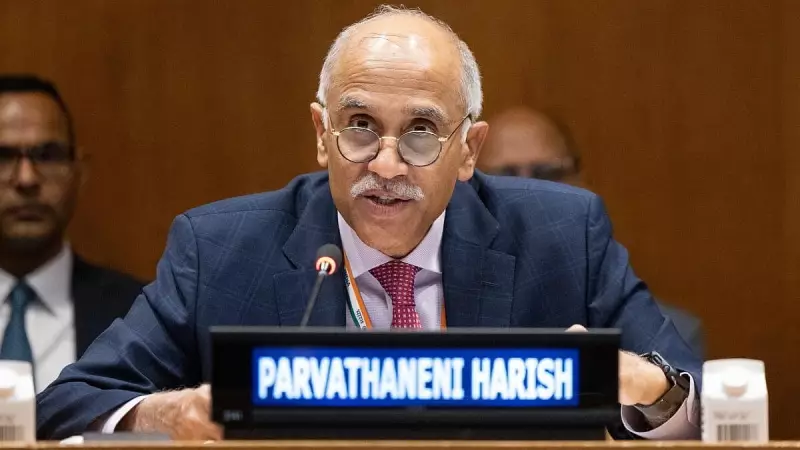
In a significant diplomatic statement, India has articulated growing concerns regarding the perceived effectiveness of the United Nations as an organization dedicated to maintaining international peace and security. This critique emerges against a backdrop of persistent challenges and operational shortcomings within the UN framework, particularly concerning its most powerful decision-making body.
Questioning the UN's Core Mandate on Peace and Security
The Indian delegation emphasized that global public perception increasingly views the United Nations as an entity struggling to fulfill its foundational mandate of ensuring worldwide peace and stability. This observation points to a broader sentiment of disillusionment with the organization's capacity to address and resolve international conflicts effectively.
India's statement specifically highlights the continued operational failures of the United Nations Security Council, which holds primary responsibility for maintaining international peace and security under the UN Charter. The Security Council's inability to prevent or decisively act in numerous global crises has raised serious questions about its structural effectiveness and decision-making processes.

The Security Council's Persistent Challenges
As the UN's most influential organ, the Security Council faces mounting criticism for its frequent deadlocks and perceived inaction in critical situations. India's remarks underscore several key issues:
- Repeated failures to achieve consensus on pressing international security matters
- Structural limitations that hinder timely and decisive interventions
- Growing concerns about representation and decision-making processes within the Council
- Questions about the Council's ability to adapt to evolving global security challenges
This diplomatic position reflects India's ongoing engagement with UN reform discussions, particularly regarding the expansion and restructuring of the Security Council to better represent contemporary global realities. The statement comes at a time when multiple international conflicts and security threats test the UN's capacity for coordinated global response.
Broader Implications for Global Governance
India's critique extends beyond specific institutional shortcomings to address fundamental questions about multilateralism in the 21st century. The statement suggests that without meaningful reform and improved operational effectiveness, international confidence in the United Nations as the primary vehicle for global peace and security may continue to diminish.
The timing of this statement, as indicated by the January 2026 date, suggests these concerns have been developing over an extended period and represent a considered diplomatic position rather than a spontaneous reaction to specific events. This perspective aligns with India's longstanding advocacy for a more representative and effective United Nations system capable of addressing contemporary global challenges.