

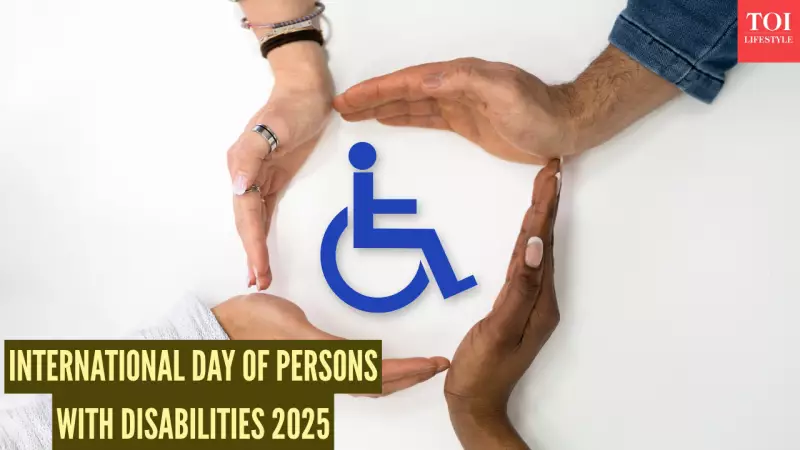
Every December 3, the global community pauses to recognise and reaffirm the rights and contributions of over a billion individuals. This day is observed as the International Day of Persons with Disabilities, a pivotal initiative established by the United Nations back in 1992. The day shifts the narrative from charity to equality, focusing on the dignity, challenges, and potential of people with disabilities, who constitute roughly one in six people worldwide.
From Awareness to Action: The Journey Since 1992
The genesis of this day lies in a transformative vision by the UN General Assembly. The goal was to move beyond mere sympathy towards genuine collaboration and a redefined understanding of disability. Early campaigns powerfully showcased stories of Paralympic athletes and innovators whose adaptations have benefitted society at large. This foundational work culminated in landmark global agreements, most notably the Convention on the Rights of Persons with Disabilities, which has been ratified by more than 180 nations.
This legal and advocacy framework has driven tangible change across the globe. Outcomes now visible in everyday life include the proliferation of wheelchair ramps, Braille signage, and progressive policies promoting fair employment practices. These are not just accommodations but testaments to how targeted inclusion creates a ripple effect of positive impact for entire communities.

The 2025 Vision: Fostering Disability-Inclusive Societies
The theme for December 3, 2025, is "Fostering disability-inclusive societies for advancing social progress." This theme is a call to build environments where every individual has the opportunity to contribute and thrive. It envisions a future with voice-guided public transport, classrooms employing virtual reality for diverse learners, and workplaces that judge talent, not physical appearance.
A critical component of this inclusion is accessible healthcare and wellness. People with disabilities often face significant barriers to essential medical care due to mobility issues or societal stigma, increasing risks for conditions like heart disease and mental health challenges. Community-led solutions—such as mobile health vans and adapted fitness programs—have demonstrated remarkable success. They improve health outcomes, reduce long-term costs, and boost community morale.
For instance, limited mobility can complicate weight management and blood sugar monitoring, while visual impairments can make reading medication labels difficult. Proactive, tailored strategies are key. These can range from wheelchair-accessible group walks and voice-activated health monitors to specialised meal plans. Research from bodies like the World Health Organization indicates that customised physical activity can reduce depression rates by up to 30% and manage chronic pain more effectively.
How You Can Contribute to an Inclusive World
Building an inclusive society begins with conscious, everyday actions. It does not require grand gestures. Individuals can start by adding captions to their social media videos, participating in or promoting adaptive sports events, or advocating for flexible work arrangements. On a policy level, leaders can fund assistive technologies like screen readers in schools or subsidies for hearing aids.
In personal interactions, practice active listening, use respectful language like "person with a disability," and celebrate milestones like a colleague learning basic sign language. True progress stems from replacing pity with genuine respect, allowing individuals to define their own narratives. In India, this spirit is blending tradition with innovation, seen in efforts to make sacred sites accessible and develop customised Ayurvedic remedies for various mobility needs.

The path forward requires weaving disability awareness into the very fabric of our systems—from urban planning and product design to digital platforms. It's worth noting that innovations originally meant for accessibility, such as AI-powered prosthetics or motion-sensing controls, often enhance productivity for everyone. As one powerful voice reminds us, disability is not a deficit but a unique perspective that enriches our collective human experience. This December 3, step into the call to action and help build a barrier-free world for a brighter, more inclusive future.





