

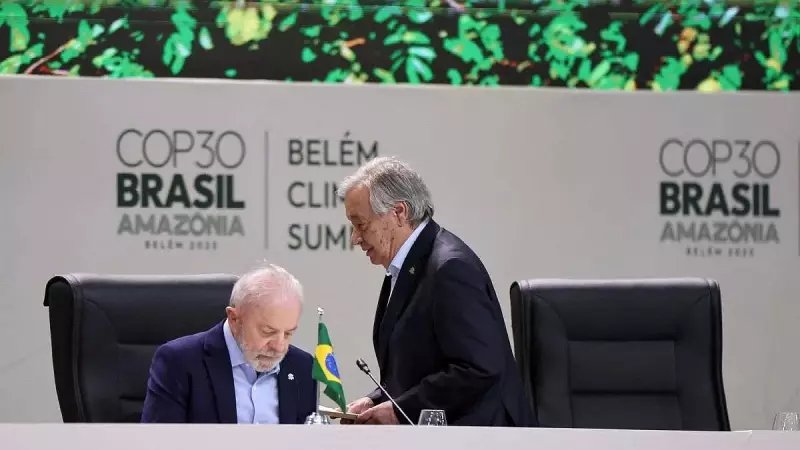
The crucial COP30 climate summit opened today in Belem, Brazil, marking a pivotal moment in global climate negotiations with a renewed focus on implementation rather than just promises. However, the gathering faces significant challenges as the United States emerges as a notable absentee from the critical discussions.
Summit Focus Shifts to Implementation
The United Nations climate conference, officially known as the 30th Conference of Parties, commenced on November 10, 2025, in the Brazilian city of Belem. Unlike previous summits that primarily focused on setting targets and making commitments, COP30 represents a strategic shift toward ensuring that existing climate pledges translate into concrete action.
Delegates from nearly 200 countries have gathered in the Amazon region city to address the growing urgency of climate change impacts. The location itself carries symbolic weight, situated at the gateway to the Amazon rainforest, which plays a critical role in global climate regulation.

United States Absence Raises Concerns
The most striking development as the summit opened was the confirmed absence of the United States delegation. As one of the world's largest economies and historically significant contributors to greenhouse gas emissions, America's non-participation creates substantial hurdles for global climate cooperation.
This absence comes at a time when scientific evidence increasingly demonstrates the accelerating pace of climate change and its devastating impacts worldwide. Many developing nations, including India, had been counting on continued US leadership and financial support for climate adaptation and mitigation efforts.
Global Implications and Moving Forward
The COP30 summit in Belem represents a critical test for international climate diplomacy. With the United States opting out of participation, other major economies including the European Union, China, and India face increased pressure to fill the leadership vacuum.
Climate experts emphasize that successful implementation of existing agreements, particularly the Paris Accord commitments, requires unanimous global cooperation. The absence of any major player, especially one with the economic and technological capacity of the United States, could significantly undermine collective efforts to limit global temperature rise.
As the summit progresses through its scheduled sessions, all eyes will be on how participating nations plan to accelerate climate action without American involvement. The outcomes from Belem could potentially reshape global climate governance and determine whether the world can effectively address the escalating climate crisis.






