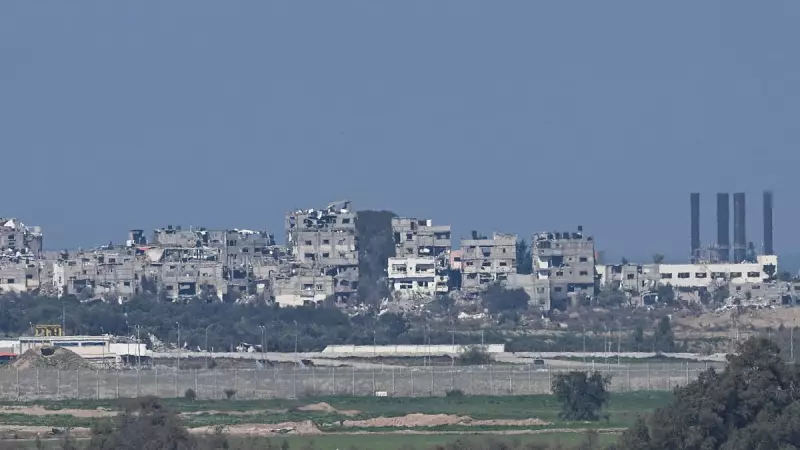
In a significant diplomatic move, Bangladesh has formally expressed its willingness to contribute troops to a potential international force aimed at maintaining peace and stability in Gaza once the ongoing conflict subsides. This offer positions Bangladesh as a proactive player in seeking a resolution to the protracted crisis.
Official Confirmation from Dhaka
The proposal was confirmed by Bangladesh's Foreign Minister, Dr. Hasan Mahmud. He stated that the country is prepared to send personnel as part of a multinational peacekeeping initiative under the auspices of the United Nations. The minister emphasized that Bangladesh's participation is contingent upon a formal request and a clear mandate from the UN Security Council.
"We are always ready to send troops if there is a UN mandate," Minister Mahmud declared. He highlighted Bangladesh's extensive and respected track record in global peacekeeping operations, noting that the nation is currently one of the largest contributors of personnel to UN missions worldwide. This experience, he suggested, makes Bangladeshi forces well-suited for such a complex deployment.

Context and International Dialogue
This development follows high-level discussions concerning Gaza's future governance and security architecture after the war. The concept of an international force, potentially involving troops from Arab nations and other countries, has been part of diplomatic talks aimed at preventing a resurgence of hostilities and ensuring a sustainable peace.
Bangladesh's offer aligns with its long-standing foreign policy principle of supporting the Palestinian cause. The nation has consistently advocated for a two-state solution based on pre-1967 borders. By volunteering for peacekeeping duties, Bangladesh seeks to translate its diplomatic support into concrete, on-ground action to facilitate stability and humanitarian relief in the war-torn enclave.
Implications and Next Steps
The proposal underscores Bangladesh's growing confidence and commitment to international security under UN frameworks. However, the actual deployment hinges on several critical factors. Firstly, the conflict must reach a definitive cessation. Secondly, the UN Security Council must pass a resolution authorizing the formation and mandate of such a force—a process that can be lengthy and subject to geopolitical negotiations.
If realized, Bangladeshi peacekeepers would likely be tasked with core responsibilities such as monitoring ceasefires, facilitating the delivery of humanitarian aid, and helping to create a secure environment for reconstruction and governance. The move is seen as a continuation of the country's proud tradition of serving in some of the world's most challenging conflict zones.
As the international community grapples with finding a lasting solution for Gaza, Bangladesh's readiness adds a new dimension to the pool of potential contributors for future peacekeeping efforts. The world now awaits further diplomatic developments and a formal UN process to activate this offer.