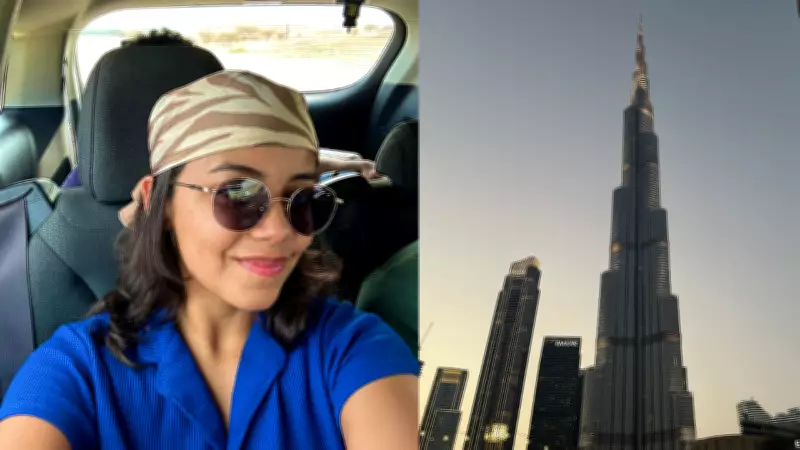
Zepto Developer's Harrowing Escape from Dubai Amid Middle East Conflict
Stranded in Dubai as the Middle East erupted into chaos, Kritika Kumari, a software developer at quick commerce platform Zepto, found herself navigating a tense mix of uncertainty, canceled flights, and missile strikes. Despite the escalating conflict, she managed to make her way safely to Muscat, Oman, before catching a flight back to Bengaluru, showcasing remarkable resilience in the face of adversity.
Navigating Missile Strikes and Empty Streets
Kumari, who had been in Dubai for work, posted regular updates on X, sharing snapshots of the tense atmosphere in the city. After coordinated U.S. and Israeli airstrikes in Iran prompted hundreds of Iranian missiles and drones to target Israel, the UAE, and neighboring Gulf countries, she documented empty streets and fighter jets overhead. On February 28, she revealed that the last missile strike occurred just 4.5 km from her location, writing, "Totally tensed and stressed on how I will go back home safe or if I will be able to go back."
With airspace closed and flights canceled, Kritika, along with four colleagues, explored alternatives to escape the volatile situation. The group faced mounting pressure as the conflict intensified, disrupting travel plans and heightening safety concerns across the region.

Journey to Safety: E-Visas and Border Crossings
On the night of March 1, Kumari applied for an Oman e-visa through the Atlys app, seeking a route out of Dubai. By Tuesday afternoon, the visa was approved, albeit with a slight delay, setting their escape plan in motion. The journey involved a complex mix of transportation modes, including buses, cabs, and border crossings.
"We were dropped at the UAE border by cab, then got on a bus to reach the Oman side for immigration," she explained. Finding the bus slow and expensive, the group switched to a taxi, paying 500 dirhams for five people to expedite the process. Overall, transport costs amounted to approximately 3,500 dirhams for the journey from Dubai to Muscat, reflecting the urgency and logistical challenges of their escape.
Reflections on a Tense Decision
Kumari's flight from Muscat to Bengaluru was booked for early morning, costing around 40,000 rupees per person. Reflecting on the decision to leave, she said, "We were weighing all possibilities — stay or leave — but yesterday’s incident triggered us to move out." This highlights the difficult choices faced by many travelers as the conflict raged on, with safety concerns overriding other considerations.
Her story is just one of many involving Indians stranded in Dubai during the conflict. Iranian missile strikes hit Bahrain, Kuwait, Israel, and the UAE, while NATO forces intercepted missiles heading toward Turkey. The fighting has resulted in over 1,000 deaths in Iran, more than 70 in Lebanon, and around a dozen in Israel, disrupting global oil and gas supplies and leaving travelers scrambling for safety.
Broader Impact of the Middle East Crisis
The conflict has had far-reaching consequences, extending beyond immediate casualties to affect international travel and economic stability. Key points include:
- Disruption of air travel and border closures across the Gulf region.
- Increased risks for expatriates and tourists caught in conflict zones.
- Potential long-term effects on global energy markets due to supply chain interruptions.
- Heightened diplomatic tensions involving multiple nations, including the U.S., Israel, and Iran.
Kumari's experience underscores the human toll of geopolitical conflicts, as ordinary individuals navigate extraordinary circumstances to ensure their well-being. As the situation in the Middle East remains volatile, stories like hers serve as a reminder of the resilience required in times of crisis.