Explained: Who Is Now Running Iran After President Raisi's Death?
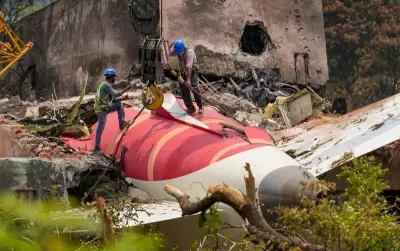
The sudden and tragic death of President Ebrahim Raisi in a helicopter crash has plunged Iran into a period of political transition. This event has triggered a series of constitutional procedures to ensure the continuity of governance in the Islamic Republic. The leadership structure, which revolves around the Supreme Leader, has activated its contingency plans.
Immediate Succession and Constitutional Protocol
According to Iran's constitution, in the event of the president's death, resignation, or removal, the First Vice President assumes the role of acting president. This duty falls upon Mohammad Mokhber, who has now taken charge of the executive branch. Mokhber's tenure as acting president is temporary, lasting only until a new presidential election can be organized, which must occur within a maximum period of fifty days.
A council consisting of the First Vice President, the Speaker of Parliament, and the Head of the Judiciary is responsible for overseeing this electoral process. This tripartite body ensures that the transition adheres to legal frameworks and maintains stability during this sensitive time.

The Central Role of the Supreme Leader
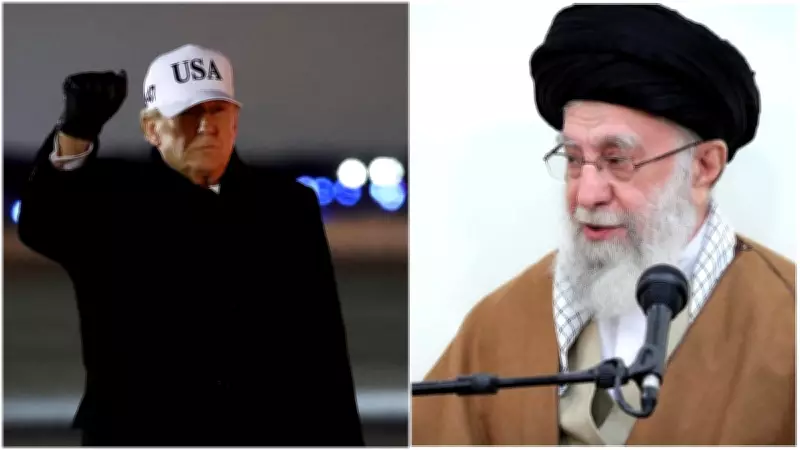
While the presidency is a significant executive position, ultimate authority in Iran rests with the Supreme Leader, Ayatollah Ali Khamenei. The Supreme Leader holds command over the armed forces, sets the overarching direction of foreign policy, and controls key state institutions. Therefore, despite the presidential vacancy, the core decision-making power remains firmly with Khamenei and the networks loyal to him.
This structure means that the acting president, Mohammad Mokhber, operates under the direct guidance and supervision of the Supreme Leader. Major policy initiatives and strategic decisions will continue to emanate from the office of the Supreme Leadership.
Profile of Acting President Mohammad Mokhber
Mohammad Mokhber, a figure with deep ties to Iran's establishment, has served as First Vice President since 2021. His background includes leadership roles in powerful economic conglomerates linked to the Supreme Leader's office, such as the Setad. This experience in managing vast financial and industrial assets makes him a trusted operative within the system.
Analysts view Mokhber as a pragmatic administrator rather than a charismatic political figure. His interim role is likely focused on ensuring governmental operations run smoothly without major disruptions until the election.
The Upcoming Presidential Election and Its Implications
The Guardian Council, a body of clerics and jurists that vets all candidates, will play a crucial role in determining who can run in the snap election. This process often filters out reformists and critics, leading to a ballot dominated by conservative figures loyal to the Supreme Leader.
The election's outcome will shape Iran's domestic and international posture. However, given the overarching authority of the Supreme Leader, any new president will have limited room to deviate from established policies on issues like nuclear negotiations, regional proxy conflicts, and internal security.
Continuity Amidst Change
In summary, the immediate running of Iran is in the hands of Acting President Mohammad Mokhber, under the steadfast authority of Supreme Leader Ayatollah Ali Khamenei. The constitutional mechanisms have been activated to manage this transition. The coming weeks will be dominated by electoral preparations, but the fundamental power dynamics of the Islamic Republic remain unchanged, ensuring continuity in governance despite the tragic loss of its president.