

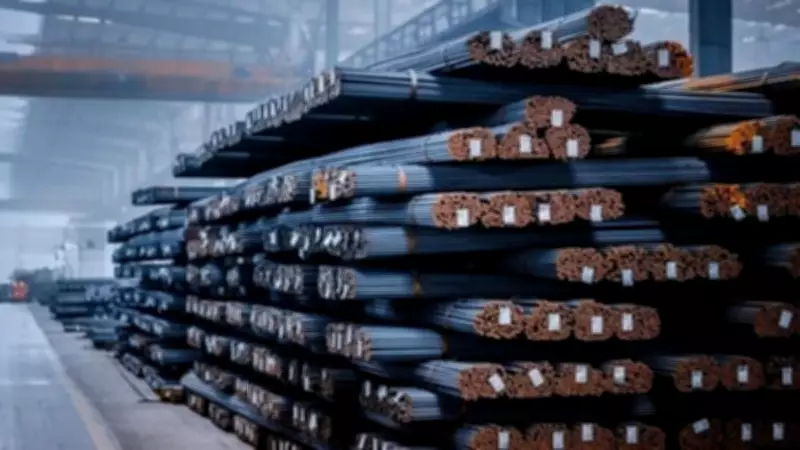
A prolonged war in West Asia could significantly impact the delivery of over 500,000 homes in India, according to a recent report. The ongoing conflict threatens supply chains and raw material availability, potentially delaying construction timelines. However, the report notes that end-user-driven housing demand remains resilient, and project financing is stronger compared to previous cycles.
Key Findings
The report highlights that the conflict may disrupt the import of essential construction materials like steel and cement, leading to cost escalations and project delays. Developers might face challenges in meeting deadlines, especially for affordable housing projects. Despite these hurdles, the underlying demand for homes continues to be robust, supported by low interest rates and government incentives.
Resilient Demand
End-user demand, particularly in the mid-income and affordable segments, remains steady. The report emphasizes that buyers are less likely to defer purchases, given the favorable financing options and the need for housing. This resilience is expected to cushion the impact on the real estate sector.

Better Financing
Project financing has improved compared to previous cycles, with banks and financial institutions showing greater willingness to fund developments. This financial stability provides a buffer against external shocks, allowing developers to navigate the crisis more effectively.
Conclusion
While the West Asia war poses risks to home deliveries, the sector's fundamentals remain strong. The report advises stakeholders to monitor the situation closely and adopt contingency plans to mitigate potential delays.






