US Deploys 3,500 Marine Troops and Amphibious Assault Ship to Middle East Amid Escalating Iran Conflict
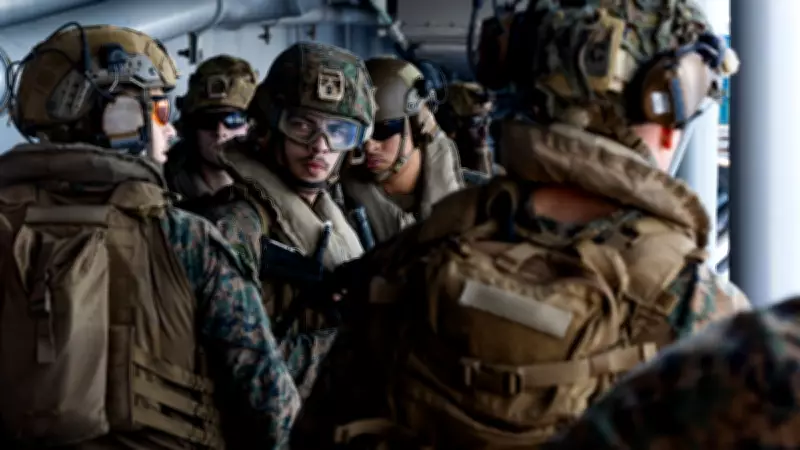
The United States has initiated a substantial military reinforcement in the Middle East by deploying approximately 3,500 Marine Corps personnel along with a formidable amphibious assault ship. This strategic move comes as geopolitical tensions with Iran intensify, raising concerns over potential regional instability and conflict escalation. The deployment underscores Washington's commitment to safeguarding its interests and allies in the volatile area.
Details of the Military Buildup and Strategic Implications
The amphibious assault ship, a key asset in naval power projection, is capable of carrying helicopters, landing craft, and troops for rapid deployment. Its arrival in the Middle East enhances the US military's operational flexibility and readiness to respond to emerging threats. Analysts suggest that this buildup may be a deterrent measure aimed at curbing Iran's aggressive posturing, which has included missile tests and support for proxy groups across the region.
This deployment signals a heightened state of alert as diplomatic efforts to de-escalate tensions have faced setbacks. The Marine troops, trained for amphibious operations and crisis response, are positioned to provide immediate support if hostilities break out. Their presence adds to the existing US military footprint in the Middle East, which includes bases in countries like Qatar, Bahrain, and the United Arab Emirates.

Regional Reactions and Global Concerns
Neighboring countries and international observers are closely monitoring the situation, with many expressing apprehension over the potential for a broader conflict. Iran has previously warned against foreign military interventions, and this latest US move could provoke retaliatory actions, further destabilizing the region. The deployment also comes amid ongoing negotiations and sanctions related to Iran's nuclear program, adding complexity to an already fraught diplomatic landscape.
The global community is urging restraint from all parties involved, emphasizing the need for dialogue to prevent a full-scale war. Economic implications, such as oil price volatility and trade disruptions, are also a concern, given the Middle East's critical role in global energy markets.
Historical Context and Future Outlook
This is not the first time the US has bolstered its military presence in the Middle East in response to Iranian threats. Past deployments have often been temporary, aimed at sending a strong message without engaging in direct combat. However, the current scale and timing suggest a more sustained commitment, possibly in anticipation of prolonged tensions.
Looking ahead, the situation remains fluid, with the potential for rapid changes based on diplomatic developments or military incidents. The US military's enhanced capabilities in the region will likely influence Iran's calculus, but whether this leads to de-escalation or further confrontation is uncertain. Stakeholders are advised to stay informed as events unfold in this critical geopolitical hotspot.