

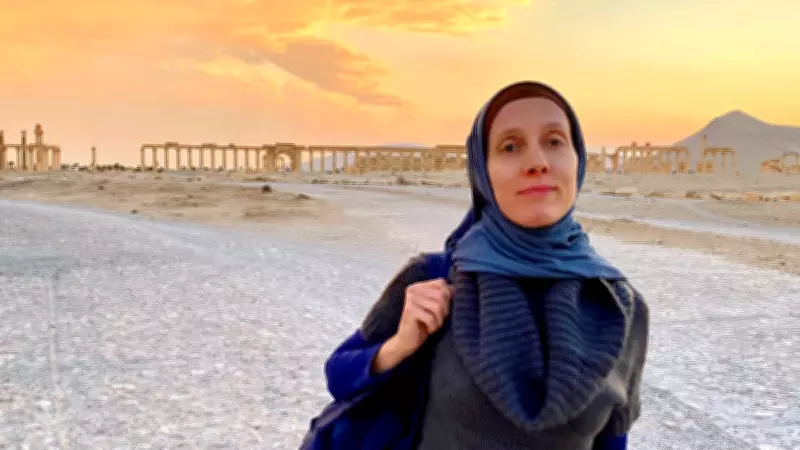
US Journalist Shelly Kittleson Released After Kidnapping by Kataib Hezbollah in Iraq
In a significant development from the Middle East, American journalist Shelly Kittleson has been freed after being held captive for approximately one week by the militant group Kataib Hezbollah in Iraq. The incident, which unfolded last week, had raised international concerns about press freedom and security in conflict zones.
Details of the Kidnapping and Release
Shelly Kittleson, a seasoned US journalist known for her reporting from volatile regions, was abducted in Iraq under circumstances that are still being investigated by local authorities and international observers. The kidnapping occurred amidst ongoing tensions in the area, with Kataib Hezbollah, a Shiite militia group with ties to Iran, claiming responsibility for the act. The group, which has been involved in various conflicts across the region, released Kittleson following what sources describe as intense diplomatic efforts and negotiations.
The release was confirmed on April 7, 2026, marking the end of a harrowing ordeal for Kittleson and her colleagues. While the exact terms of her freedom have not been fully disclosed, it is believed that behind-the-scenes talks involving multiple stakeholders played a crucial role. Kittleson is reported to be in stable condition and is receiving medical and psychological support as she recovers from the trauma of her captivity.

Implications for Journalism and Regional Stability
This event underscores the persistent risks faced by journalists operating in high-threat environments like Iraq, where militant groups often target media personnel to exert pressure or gain leverage. Shelly Kittleson's case highlights the broader challenges of ensuring safety for reporters who cover conflicts, terrorism, and political unrest. Her kidnapping had sparked widespread condemnation from press freedom organizations and governments worldwide, calling for her immediate and unconditional release.
The involvement of Kataib Hezbollah adds a layer of complexity to the situation, given the group's history of hostilities and its role in regional geopolitics. Analysts suggest that this incident could impact diplomatic relations and security protocols in Iraq, potentially influencing future interactions between militant factions and international entities. The release may also serve as a temporary de-escalation in tensions, but concerns remain about the safety of other journalists and civilians in the area.
Response from Authorities and International Community
Following Kittleson's release, statements have been issued by US officials and international bodies expressing relief and emphasizing the importance of protecting journalists. The US State Department has acknowledged the efforts that led to her freedom, while urging continued vigilance against threats to media workers. Human rights groups have reiterated calls for stronger measures to prevent such kidnappings and hold perpetrators accountable.
In Iraq, local authorities are conducting investigations to determine the full circumstances of the kidnapping and to prevent similar incidents in the future. The case has drawn attention to the need for enhanced security frameworks and cooperation between governments and media organizations to safeguard reporters in conflict zones.
As Shelly Kittleson begins her recovery process, this event serves as a stark reminder of the dangers inherent in journalism and the ongoing struggles for stability in regions like the Middle East. Her release is a positive outcome, but it highlights the urgent need for sustained efforts to ensure the safety and freedom of the press worldwide.






