

US and Israel Firmly Exclude Lebanon from Ceasefire Framework Amid Escalating Tensions
In a significant development in the West Asia crisis, the United States and Israel have jointly insisted that Lebanon is not included in any current ceasefire deal, heightening regional tensions. This declaration comes in the immediate aftermath of a devastating attack on Wednesday that resulted in massive casualties, according to official reports from the Lebanese Health Ministry.
Deadly Attack Sparks International Concern and Aggression Warnings
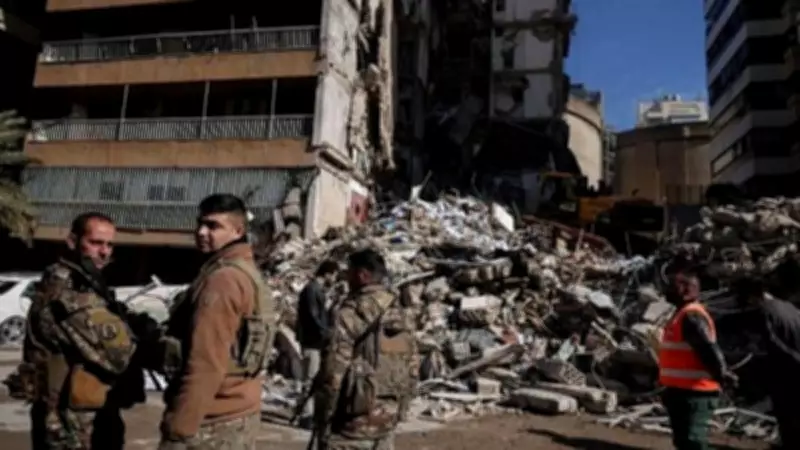
The aggression, which occurred on Wednesday, led to the tragic loss of at least 203 lives and left more than 1,000 individuals injured, as confirmed by the Lebanese Health Ministry. In response to this incident, both the US and Israel have issued new warnings of potential further aggression, underscoring the volatile situation in the region. The attack has drawn widespread condemnation and raised alarms about the stability of ceasefire efforts in West Asia.
Ceasefire Deal Excludes Lebanon, Complicating Diplomatic Efforts
The explicit exclusion of Lebanon from the ceasefire agreement by the US and Israel adds a complex layer to ongoing diplomatic negotiations. This stance signals a firm position from both nations regarding Lebanon's role in the conflict, potentially impacting future peace talks and regional alliances. Analysts suggest that this move could lead to increased isolation for Lebanon and further complicate efforts to de-escalate hostilities in the area.

Regional Implications and Health Crisis Unfold
The aftermath of the attack has not only political but also severe humanitarian consequences. With over 1,000 injuries reported, Lebanon's healthcare system is under immense strain, highlighting the urgent need for medical aid and international support. The Lebanese Health Ministry's figures underscore the scale of the tragedy, prompting calls for immediate action to address the growing health crisis amidst the ongoing conflict.
Future Outlook and International Reactions
As the situation continues to evolve, the international community is closely monitoring the developments. The US and Israel's insistence on excluding Lebanon from ceasefire talks may influence other nations' stances and could lead to shifts in regional dynamics. With new aggression warnings in place, the risk of further violence remains high, making it crucial for diplomatic channels to remain open and proactive in seeking resolutions to prevent additional loss of life.






