

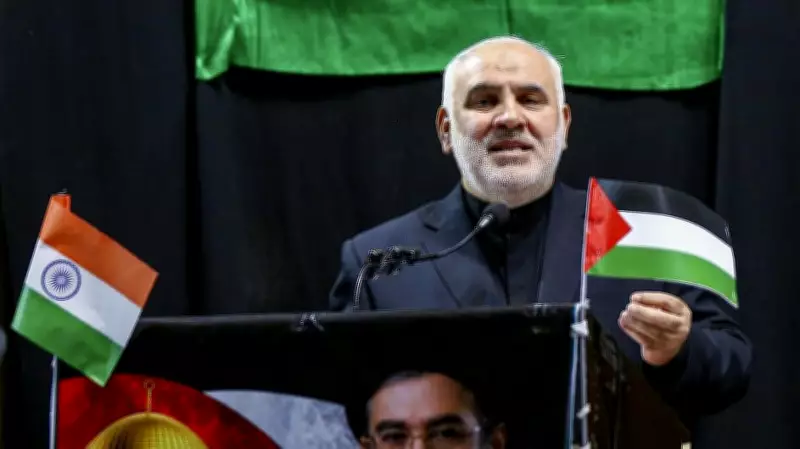
US Recognizes Iran's Military Strength, Iranian Ambassador Confirms
In a significant diplomatic statement, Iran's ambassador to the United Nations has asserted that the United States is fully cognizant of Iran's military capabilities. This declaration comes at a time of escalating tensions in the Middle East, where geopolitical dynamics are increasingly complex and volatile. The envoy's remarks underscore a critical aspect of international relations, highlighting how awareness of military prowess can influence diplomatic strategies and regional stability.
Context of Heightened Regional Tensions
The Middle East has been a hotspot for conflicts and power struggles, with Iran playing a pivotal role in the region's security landscape. Recent months have seen a surge in hostilities, including proxy wars and direct confrontations, which have put global powers on alert. In this charged atmosphere, the Iranian ambassador's comments serve as a reminder of the delicate balance of power and the importance of mutual understanding between nations.
The United States, as a key player in Middle Eastern affairs, has long monitored Iran's military developments. From advanced missile systems to cyber warfare capabilities, Iran has invested heavily in its defense infrastructure, making it a formidable force in the region. The ambassador's assertion suggests that this investment has not gone unnoticed by U.S. intelligence and defense agencies, which continuously assess threats and opportunities in global hotspots.

Diplomatic Implications and Strategic Messaging
By publicly stating that the U.S. is aware of Iran's capabilities, the Iranian envoy may be engaging in strategic messaging aimed at deterring potential aggression or bolstering Iran's negotiating position in international forums. Such statements can serve multiple purposes: they assert Iran's sovereignty and strength, while also signaling a willingness to engage in dialogue based on mutual respect and recognition of military realities.
This approach aligns with broader diplomatic efforts to manage conflicts through communication rather than confrontation. In recent years, Iran has participated in various multilateral talks, including those related to nuclear agreements and regional security. The ambassador's remarks could be seen as part of a larger strategy to emphasize Iran's role as a key stakeholder in Middle Eastern stability, capable of defending its interests while seeking peaceful resolutions.
Global Reactions and Future Prospects
The international community has closely watched developments between Iran and the United States, given their impact on global oil markets, security alliances, and humanitarian issues. Reactions to the ambassador's statement have been mixed, with some analysts viewing it as a confidence-building measure, while others interpret it as a veiled threat in an already tense environment.
Looking ahead, the acknowledgment of Iran's capabilities by the U.S. could pave the way for more transparent and productive diplomatic engagements. However, challenges remain, including ongoing sanctions, regional proxy conflicts, and differing strategic interests. Key factors to monitor include:
- Future diplomatic initiatives between Iran and the U.S.
- Impact on regional security dynamics in the Middle East
- Responses from other global powers, such as Russia and China
- Potential shifts in military postures and defense spending
In conclusion, the Iranian ambassador's statement highlights a critical juncture in U.S.-Iran relations, where awareness of military capabilities intersects with diplomatic overtures. As both nations navigate a complex geopolitical landscape, such acknowledgments may play a crucial role in shaping future interactions and fostering a more stable regional order.






