

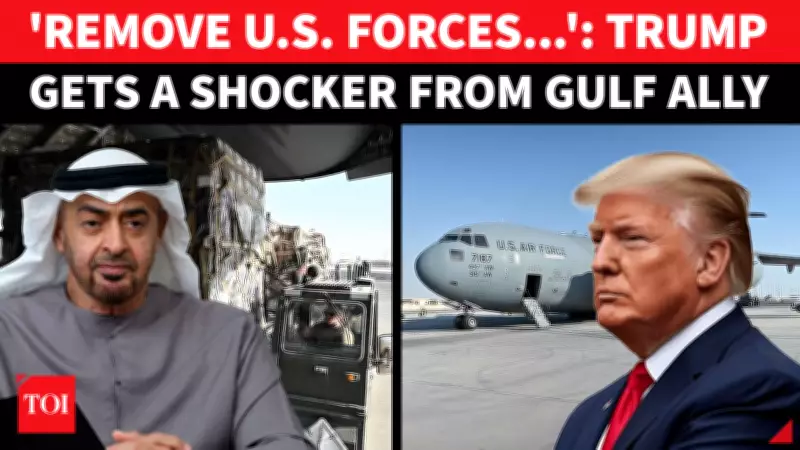
UAE Voices Call for New Security Framework, Label U.S. Presence a Burden After Iran Strikes
The security architecture of the Middle East is undergoing a historic stress test, with the United Arab Emirates at the forefront of a significant shift in regional defense strategy. For decades, the UAE has served as a cornerstone of U.S. military posture in the area, hosting thousands of troops at strategic locations such as Al Dhafra Air Base. However, the 2026 Iran War has fundamentally altered the geopolitical calculus, prompting prominent voices in Abu Dhabi to reassess the value of this longstanding alliance.
Rethinking U.S. Protection in the Wake of Iranian Aggression
In the aftermath of recent Iranian strikes, key figures within the UAE are now arguing that American military bases have transformed from protective shields into "lightning rods" for attacks. This perspective marks a dramatic departure from traditional reliance on U.S. security guarantees. The conflict has inflicted billions in economic damage on the UAE, wiping out substantial portions of its financial stability and infrastructure.
Simultaneously, the UAE's own sophisticated defense systems have demonstrated their mettle, successfully intercepting threats and showcasing the nation's growing military capabilities. This dual reality—economic devastation coupled with proven domestic defense—has shifted the core question facing Emirati policymakers. No longer is the debate centered on "How much U.S. protection do we need?" but rather on the more critical inquiry: "Is the U.S. presence making us less safe?"

The Economic and Strategic Implications of Regional Tensions
The economic toll of the Iran War has been severe, with the UAE experiencing significant losses across various sectors. This financial strain has accelerated calls for a reevaluation of security dependencies. Analysts suggest that the UAE's advanced missile defense systems and other indigenous technologies have reduced the perceived necessity for external military support, particularly when such presence may attract additional hostility.
This sentiment is echoed by top Emirati officials and strategic thinkers who advocate for a new, more autonomous security framework. They emphasize the need for a regional approach that prioritizes local partnerships and reduces vulnerability to superpower conflicts. The discussion now revolves around developing a model that enhances stability without exacerbating tensions through visible foreign military installations.
Future Directions for Middle East Security
As the UAE contemplates this strategic pivot, the broader implications for Middle East security are profound. A move away from heavy reliance on U.S. forces could inspire similar reassessments by other Gulf states, potentially reshaping the entire regional defense landscape. Experts warn that any transition must be carefully managed to avoid power vacuums or increased instability.
The calls for a new security framework highlight a growing desire for sovereignty and self-reliance in defense matters. This shift reflects broader global trends where nations seek to balance alliances with national security interests, especially in volatile regions. The outcome of this debate will likely influence not only UAE-U.S. relations but also the dynamics of international diplomacy and conflict resolution in the Middle East for years to come.






